
Hydration and rest are critical after acupuncture because the treatment opens a door in the nervous system and circulatory response, and the body needs enough fluid and downtime to walk that response all the way through. Acupuncture stimulation engages the sensory nerve fibers, the spinal cord, and the brain, which draw on a network of autonomic centers to regulate the parasympathetic nervous system. That regulation eases inflammation, dysfunction, and pain throughout the body. This same nervous system activity also shifts circulation, so blood flow patterns change measurably during and after a session. Water supports that shifting circulation. It keeps blood volume and tissue fluid at levels that let nutrients and cellular byproducts move efficiently through the system the treatment just engaged. Rest matters for a related reason. The parasympathetic response acupuncture encourages is the same state tied to recovery and repair, and interrupting it with exertion, stress, or stimulation works against the shift the treatment started. Fatigue is a commonly reported and expected reaction after acupuncture, alongside occasional drowsiness, and it is generally mild and temporary rather than a cause for concern. Sitting with that tiredness instead of pushing through it lets the nervous system complete its adjustment. Skipping hydration or rest does not undo the treatment, but it does narrow the conditions under which the nervous system and circulatory response can finish their work. Aftercare in this window is an extension of the treatment's physiological process, not a separate or optional add-on to it.
Why the Session Doesn't End When the Needles Come Out
The needles come out, and it's easy to figure the work is done. It isn't. Acupuncture starts a healing process that keeps going long after you leave the clinic, and what you do in the hours afterward decides how far that process actually gets.
Think of the treatment as opening a door in the nervous system. The period immediately following an acupuncture treatment is a critical window for maximizing its benefits, which means the next few hours matter as much as the session itself. That's true whether the visit addressed general tension or something closer to how training depth changes chronic pain outcomes.
What Happens Inside the Body After Needle Stimulation
That door metaphor holds up. Needle stimulation at specific acupoints kicks off a real, traceable sequence inside the nervous system. It's not a vague wave of relaxation.
Two systems carry that sequence forward once the needles come out. The nervous system routes the signal, and circulation carries its effects into the tissue it just reached.
| Body System | What Happens During Stimulation | What Continues After Stimulation Ends |
|---|---|---|
| Nervous System | Sensory nerve fibers signal the spinal cord and brain, which draw on autonomic centers to regulate the parasympathetic response. | The parasympathetic shift continues to ease inflammation and pain as the body settles into a rest-and-repair state. |
| Circulatory System | Blood flow patterns shift at the treatment site and, as the LR3 findings suggest, in areas well beyond it. | Circulation keeps redistributing after the needles are removed, carrying the treatment's effects through tissue the session engaged. |
| Cellular and Tissue Response | Localized stimulation prompts changes in blood volume and fluid movement around the treated acupoints. | Adequate hydration keeps tissue fluid available so nutrients and cellular byproducts continue moving through the system the session activated. |
How the Nervous System Carries the Signal Forward
Acupuncture stimulation on specific acupoints activates sensory nerve fibers, the spinal cord, and the brain. That activity draws on autonomic centers in the brain to regulate the parasympathetic nervous system, easing inflammation and pain along the way. Work available through published academic reference indicates acupuncture stimulation activates sensory nerve fibers, the spinal cord, and the brain, which use information integration from autonomic brain centers to regulate the parasympathetic nervous system and relieve visceral dysfunction, inflammation, and pain — one expert assessment rather than a study finding.
None of that runs on a fixed switch. And anyone still uneasy about the sensation of the needles themselves might find it worth reading Overcoming Needle Anxiety before their next session.
What Changes in Circulation After the Needles Are Removed
Circulation moves right along with the nervous system. Blood flow doesn't stay flat during a session. It shifts, and that shift keeps going after the needles are out.
Research on the LR3 point in the foot found something worth noting for the arm, not just the foot. Work available through PubMed Central indicates acupuncture at the LR3 point on the foot was associated with significantly higher blood flow in the radial and brachial arteries of the arm after needle stimulation ended compared to before treatment. That kind of distant, whole-body shift is exactly why the hours after a session matter as much as the needles do.
Why Treating Aftercare as an Afterthought Breaks the Process
Most conversations about acupuncture stop at the needles. Post-treatment aftercare involves simple but powerful actions that support your body's response to the therapy, yet plenty of practitioners never mention that window at all. Skip the aftercare, and the door the treatment opened just sits there half-used.
The Gap Left When Aftercare Is Skipped
Treating hydration and rest as afterthoughts assumes the body's work ends when the needles come out. Hydration and rest are not passive recovery steps; they are active components of the healing process, which means skipping them leaves real physiological work unfinished.
That gap doesn't look the same for everyone. For some it lingers as tightness that never quite lets go, which is worth telling apart from a normal reaction by reading Dry Needling Flare-Ups.
Reading the Body's Signals Without Guessing
Guessing at what's normal after a session helps no one. The body actually sends clear signals during that window, and reading them correctly matters more than assuming the worst.
| Post Treatment Sensation | Typical Cause | When It Warrants a Call |
|---|---|---|
| Heaviness or deep calm | The parasympathetic shift settling into the tissue the treatment just reached | Not warranted; this is the expected signal that rest is doing its job |
| Fatigue or drowsiness | A mild, transient reaction tied to the nervous system completing its adjustment | Not warranted unless it lingers well beyond the day of treatment |
| Minor bruising or pinpoint bleeding at a needle site | Small vessels near the surface responding to needle insertion | Not warranted; keep the area clean and let it resolve on its own |
| Lingering tightness that does not soften with rest and water | Tissue still working through the circulatory shift the session triggered | Worth a call if it persists past the point aftercare should have helped |
| Sharp, worsening pain or symptoms paired with real distress | A pattern outside the expected recovery response entirely | Warrants a call; this sits outside what normal aftercare sensations look like |
Why Fatigue and Lightheadedness Are Common, Not Concerning
Fatigue shows up as one of the mild, passing reactions long tracked in Japanese acupuncture standard practice, right alongside drowsiness and minor bleeding. As Evidence-Based Complementary and Alternative Medicine reports, fatigue was among the mild and transient adverse reactions commonly observed in acupuncture practice. That tiredness lines up with the parasympathetic shift already underway.
Distinguishing Expected Response From a Reason to Call the Clinic
Most of what you feel after a session fits the expected pattern: heaviness, calm, a pull toward sleep. Something sharper, worsening, or paired with real distress falls outside it. When a reaction leaves you wondering, the page on what chiropractic treatment involves walks through the framework this clinic uses to read recovery.
Building the Two-Part Integration Window
Reading the signals correctly is only half the job. The other half is building a window around them, a structured stretch of time where hydration and rest actually get to do their work.
Why Water Intake Supports What the Treatment Just Started
Water is the first piece of that window. The circulatory shift already moving needs fluid to carry it all the way through the tissue, not just the point where it started.
Why Rest Lets the Parasympathetic Shift Finish Its Work
Rest is the second piece, and it guards a state the body just entered. The parasympathetic shift acupuncture triggers is fragile early on, and activity or stress crowds it out fast.
What to Limit in the Hours That Follow
Some inputs push straight back against that shift. Alcohol and heavy caffeine drive the nervous system toward stimulation, the opposite of the recovery state the treatment just opened. Hard exercise pulls blood and attention away from that same integration work.
Sequencing the First 24 Hours After Treatment
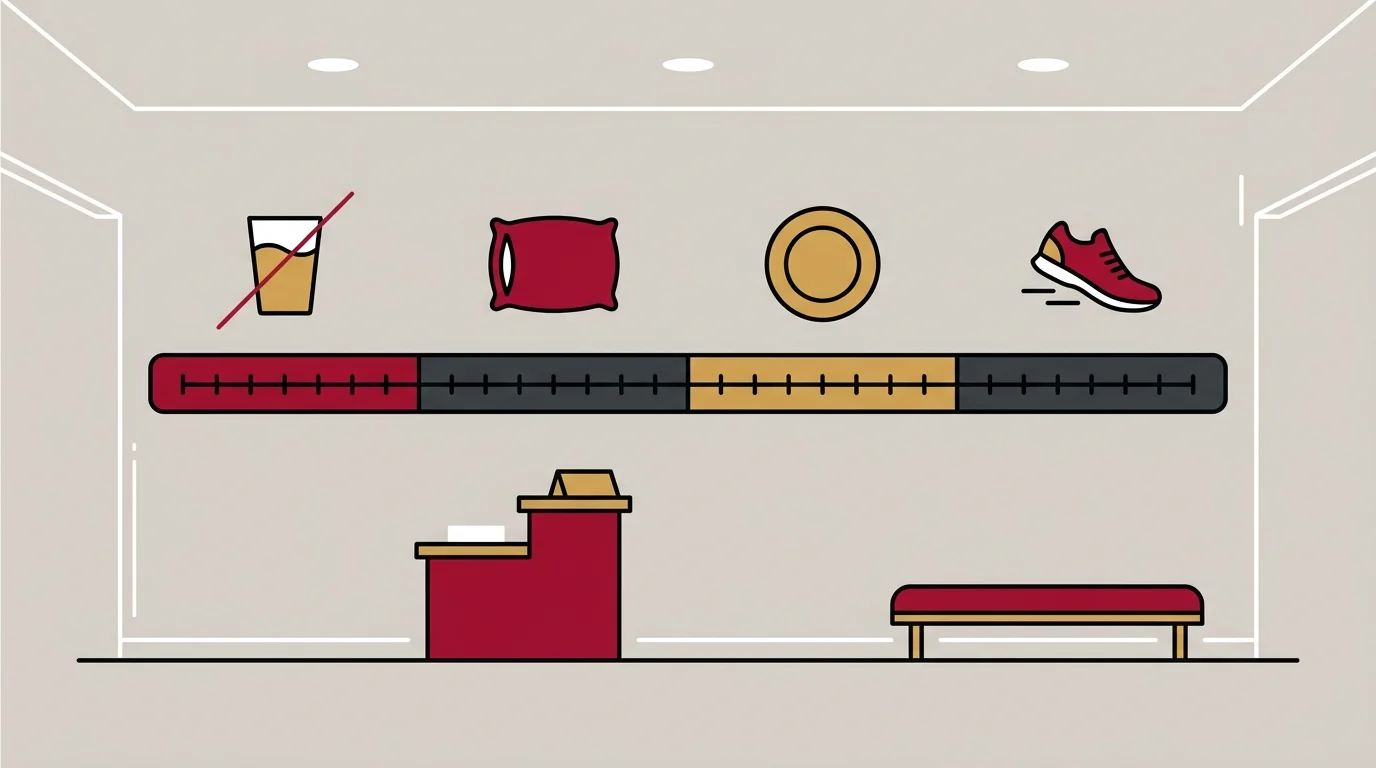
Put the two-part window into a real sequence and the first two hours belong to water and stillness. Drink steadily rather than all at once, and let the body settle instead of rushing back into a full schedule. By hour four, most people notice the heaviness easing into something closer to calm.
| Time Block | Recommended Focus | Activity to Avoid |
|---|---|---|
| First Two Hours | Steady water intake and physical stillness | Alcohol, heavy caffeine, and strenuous exercise |
| Hours Two to Four | Continued hydration and a quiet, low-stimulation environment | Returning to a full work schedule or high-stress tasks |
| Remainder of the First Day | Light movement, such as a short walk, layered onto ongoing rest | Strenuous exercise or intense physical exertion |
| Following Day | Resuming normal activity, including strenuous exercise, once heaviness has fully eased | Ignoring lingering fatigue and pushing through it anyway |
Where Exercise and Activity Fit Back Into the Timeline
Exercise fits back in once that calm settles, not while it's still fighting for space. Light movement is fine within the first day, and a short walk counts. Save anything strenuous for the next day, after the nervous system finishes the shift the needles started.
Frequently Asked Questions
These are the questions patients ask most after their session ends and the door analogy stops being abstract. Here are the direct answers.
How much water should I drink after an acupuncture session?
Sip water through the rest of the day instead of downing one big glass. Small, steady amounts carry the circulatory shift further than a single flood does.
Is it normal to feel tired or sleepy after acupuncture?
Yes. Tiredness after a session is a common and expected response, not a warning sign. It reflects the nervous system settling into the parasympathetic state the treatment just triggered.
What specific foods and drinks should I avoid after acupuncture?
Skip alcohol and heavy caffeine for the rest of the day. Both push the nervous system toward stimulation, working against the calm the session just opened.
Can I exercise or go to the gym after my acupuncture treatment?
Light movement, like a short walk, is fine the same day. Save anything strenuous for the next day, once the nervous system has finished its shift.
How does proper aftercare like hydration and rest improve my acupuncture results?
Hydration and rest carry the treatment's own physiology through to the finish rather than tacking something extra onto it. Skip them, and that work gets crowded out before it's done.
How long does the integration window after acupuncture typically last?
Most of the integration work happens within the first few hours after a session. The heaviness typically eases into calm by around hour four, with full settling by the next day.
Where This Leaves the Integration Phase
The door metaphor holds all the way through. Acupuncture opens something in the nervous system, and hydration and rest are what walk the body through it. Skip them, and that door just sits there, half-open.
Skip that window, and the treatment's own physiology gets crowded out before it finishes, the parasympathetic shift and the circulatory carry-through both cut short. That's no minor detail. It's the difference between a session that resolves and one that stalls halfway.
Treatment Integration isn't an extra step tacked onto acupuncture. It's the second half of the same event, and it deserves the same attention as the needles themselves. If you're ready to see what a full session, and a real integration phase, feels like, book a visit with Touch of Wellness Chiropractic.