
Clinical acupuncture is not painful because the needles used bear almost no resemblance to the hypodermic needles most people picture when they hear the word needle. Acupuncture needles are solid, hair-thin filaments, not hollow tubes designed to withdraw blood or inject fluid, so they do not cut or tear tissue the way an injection needle does. Most people who fear needles are picturing a hypodermic needle, and that mental image is the actual source of the anxiety, not the acupuncture needle itself. The brain braces for a sharp, invasive puncture because that is the only needle experience it has stored, and that anticipated sensation simply never arrives during a properly performed acupuncture session. Instead, insertion typically produces a mild pressure, warmth, tingling, or heaviness at the point, a recognized sensation sometimes described as deqi, and this is considered a sign the treatment is working rather than a sign of injury. The thinness of the needle reduces mechanical trauma to skin and underlying tissue, which is the primary physical reason discomfort is minimal to absent. Pain perception during acupuncture is also shaped heavily by practitioner skill and precision of insertion technique, meaning two people receiving acupuncture from practitioners of differing training can report very different sensations from what is structurally the same needle. Anxiety itself can heighten perceived pain regardless of the actual physical stimulus, which is why needle phobia often distorts expectations before a session even begins. Understanding the physical design of the needle and the technique behind its placement is the first step toward recognizing that the anticipated pain and the actual sensation are two entirely different experiences.
Why the Fear Feels So Real Before the Needle Ever Touches Skin
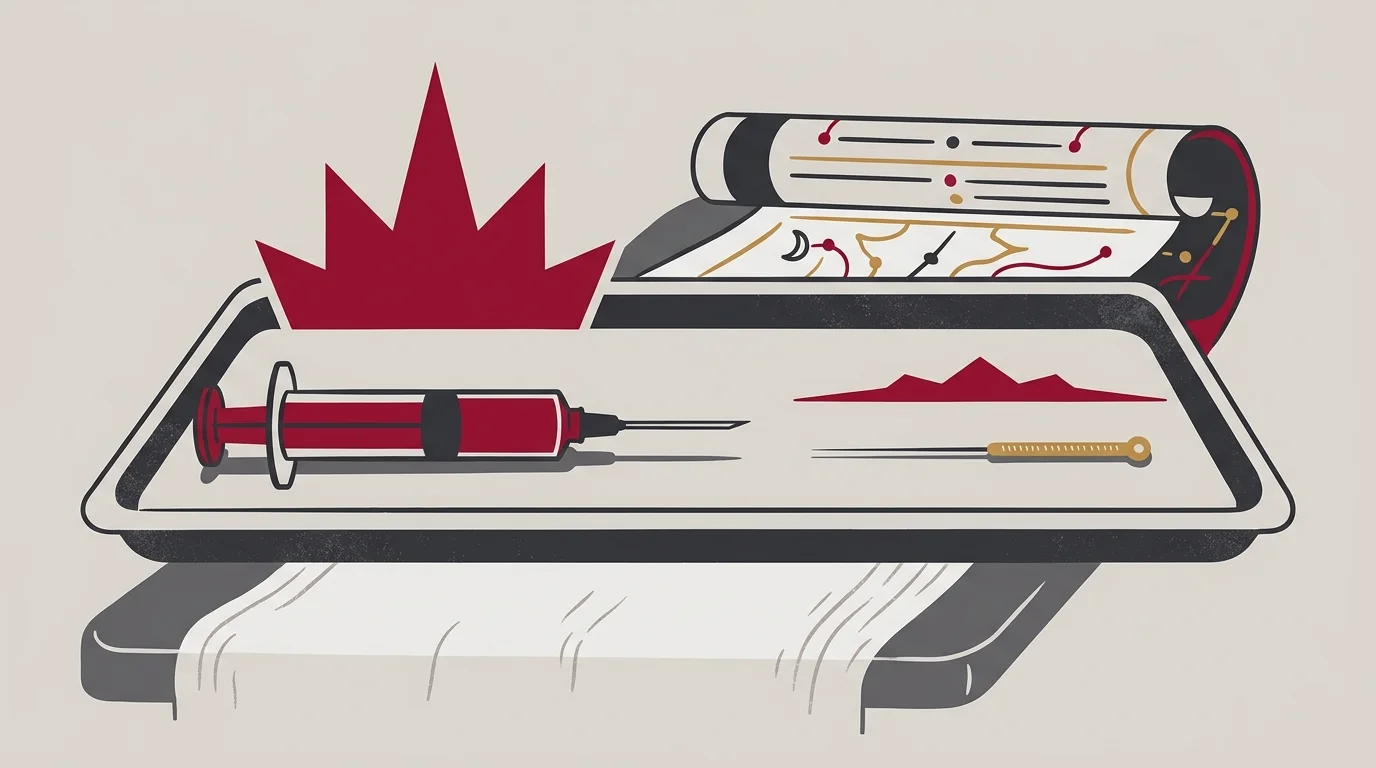
As many as 2 out of 3 adults are afraid of needles. As PubMed Central reports, as many as 2 out of 3 adults are afraid of needles. That fear is one of the most common reasons people avoid trying a treatment as beneficial as acupuncture, even when it could genuinely help them.
So the anxiety walking through the door is not rare, and it is not irrational either. But most of that fear is aimed at the wrong needle entirely, one the brain remembers from a blood draw or a shot rather than the one actually used in treatment. why credential depth matters in needle therapy shows how technique, not tolerance, decides the outcome.
What Acupuncture Needles Actually Are, and Why the Comparison to Shots Fails
So what is the object underneath all that fear? Not a hypodermic needle at all, but a solid filament closer in structure to a fine wire than a syringe tip.
Most people picture the large, hollow hypodermic needle they've met at a shot or a blood draw. That swap in the mind is the real engine behind most of the needle anxiety walking through the door.
| Needle Type | Diameter Range | Common Use |
|---|---|---|
| Acupuncture Needle (fine end of range) | 0.14 mm | Sensitive points, thinner tissue, patients with heightened needle anxiety |
| Acupuncture Needle (wide end of range) | 0.50 mm | Deeper musculature, denser tissue where a firmer filament is appropriate |
| Hypodermic Needle (the image most people picture) | Not part of the eleven-diameter acupuncture range | Withdrawing blood or injecting fluid, not point stimulation |
How Needle Diameter Changes the Sensation Equation
Acupuncture needles covered in this submission are available in eleven different diameters, ranging from 0.14 to 0.50 mm. That range exists so a practitioner can match the tool to the tissue and the sensitivity of the point being treated.
Findings published through the FDA show available in eleven different diameters ranging from 0.14 to 0.50 mm. The range matters because diameter, not needle length, is the primary driver of what a patient actually feels. A finer filament at the low end of that range slips past nerve endings that a thicker one would trigger.
Why Comparing Needle Gauge to Injection Needles Misses the Point
Gauge comparisons between acupuncture needles and injection needles miss the real variable entirely. The needle is only half the equation; the hand guiding it is the other half.
Pain perception during insertion is shaped heavily by practitioner skill, not just millimeters of diameter. This is where Post-Doctorate Precision Acupuncture changes the outcome, because refined technique sidesteps the pain trigger the brain is still bracing for. Reading Rest Are Critical After Acupuncture rounds out the picture of what a properly guided session actually involves.
What the Body Actually Feels: Separating Deqi From Pain
The needle finds its point. And what the body registers next is nothing like the puncture the brain was braced for.
Most patients describe a dull ache, a spreading warmth, or a heavy pulling sensation instead of a sharp bite. That cluster of feelings has a name in the research, and it is not pain.
| Stimulation Type | Response Rate | Sensation Threshold |
|---|---|---|
| Acupuncture (deqi response) | 71% of procedures produced the deqi response | Minimum total score of 3 across all sensations |
| Tactile stimulation (control) | 24% of procedures produced a comparable response | Minimum total score of 3 across all sensations |
The Deqi Sensation and What the Research Measured
That named sensation is deqi, and researchers have measured how reliably it shows up compared to a simple touch. As BMC Complementary and Alternative Medicine reports, the deqi response was elicited in 71% of acupuncture procedures compared with 24% for tactile stimulation when thresholded at a minimum total score of 3 for all sensations. That gap between 71% and 24%, thresholded at a minimum total score of 3, shows deqi is a distinct physiological event rather than a subjective guess.
Once you grasp that mechanism, and the training behind it, the body's response on the table stops being a mystery. Some patients notice soreness afterward rather than during, and Dry Needling Flare-Ups explains why that delayed response is normal.
Why Untrained Insertion Technique Produces the Pain Patients Fear
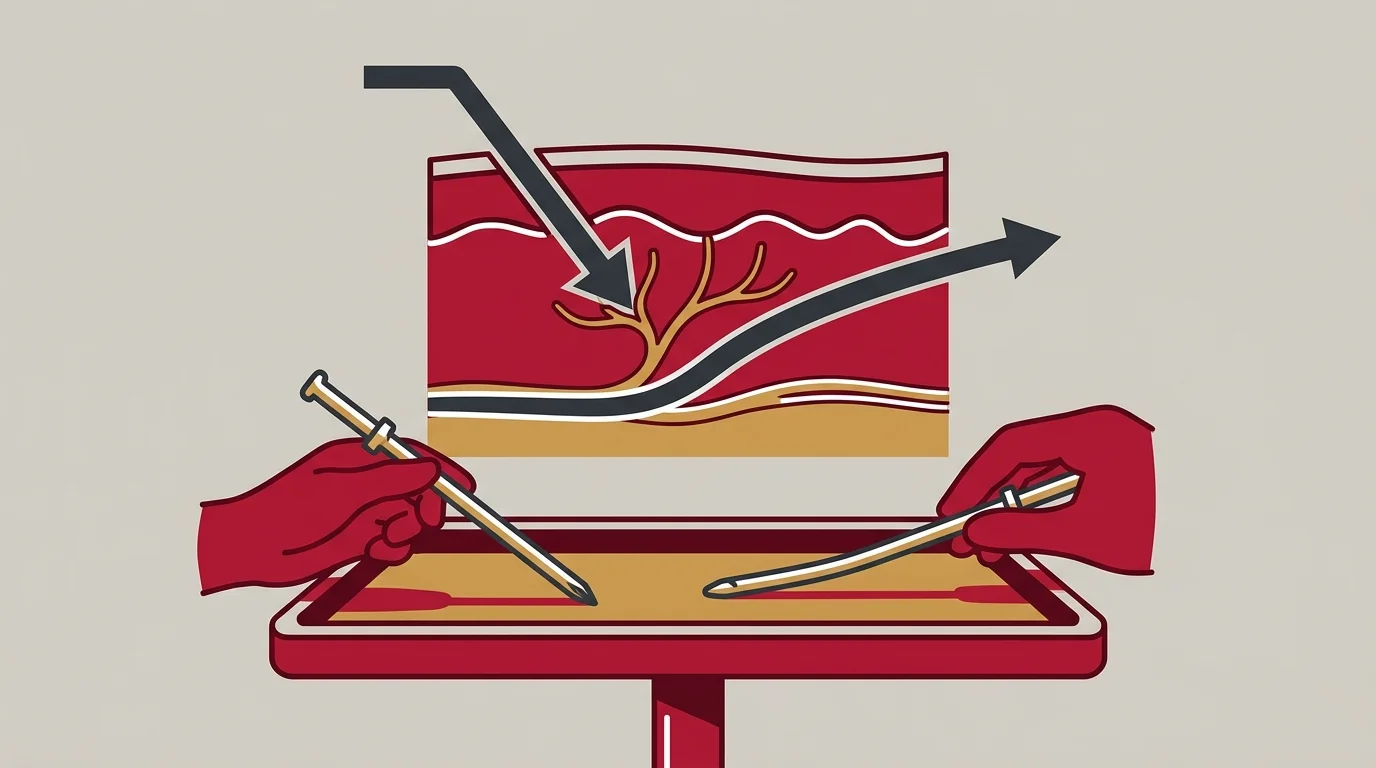
Untrained insertion is not gentler because the needle is thin. Sharp sensation shows up when the point misses the target depth or drags across a nerve fiber, and that is a technique failure, not a property of acupuncture itself.
A practitioner rushing insertion, guessing at angle, or forcing depth recreates the exact puncture-and-tear mechanism the brain was already bracing for from a hypodermic needle.
Training closes that gap. Post-Doctorate Precision Acupuncture builds on technique with the practitioner's own calm, reassuring presence, because a skilled acupuncturist is trained not only in insertion but in guiding an anxious patient through it.
That combination is what actually neutralizes needle anxiety, not just a fine gauge. For a broader look at how trained hands guide care beyond the needle itself, chiropractic services built around precise technique shows the same principle at work.
The Biological Mechanism Behind Acupuncture's Pain-Relieving Effect
Technique explains why the needle stays gentle going in. But it doesn't yet explain why the sensation afterward can feel like relief instead of neutral contact.
| Study Measure | Real Acupuncture Result | Comparison Condition |
|---|---|---|
| Pain-relief mechanism | Release of endogenous opioids | Reversed by opioid antagonist administration |
| Opioid antagonist effect | Analgesia reversed when antagonist administered | No reversal observed without opioid blockade |
| Musculoskeletal pain reduction | Approximate 12-point reduction on 100-point pain scale | Sham acupuncture |
How Endogenous Opioid Release Explains the Analgesic Effect
The body appears to answer the needle with its own chemistry, not just tolerance. As the National Center for Biotechnology Information reports, acupuncture produces pain relief through the release of endogenous opioids, an effect that can be reversed by administering an opioid antagonist — one expert assessment rather than a study finding. That framing matters because the effect is being described as a biological response, not a placebo story.
What Clinical Trials Show About Acupuncture's Effect on Pain
Theory is one thing. Measured outcomes in a trial setting are another, and that's where sham-controlled research earns its keep. Findings published through the journal Nature show real acupuncture produced a moderate reduction in musculoskeletal pain of approximately 12 points on a 100-point pain scale in trials comparing it to sham acupuncture. A sham design strips away expectation and ritual, leaving the needle itself as the variable being tested.
Reading Pain-Scale Data Without Overstating the Result
A moderate reduction on a pain scale is not a dramatic headline, and it should not be read as one. The gap is real but modest, and modest is not the same as meaningless. That distinction is what separates an honest reading of the data from an oversold one.
What Determines Whether a Session Is Comfortable or Not
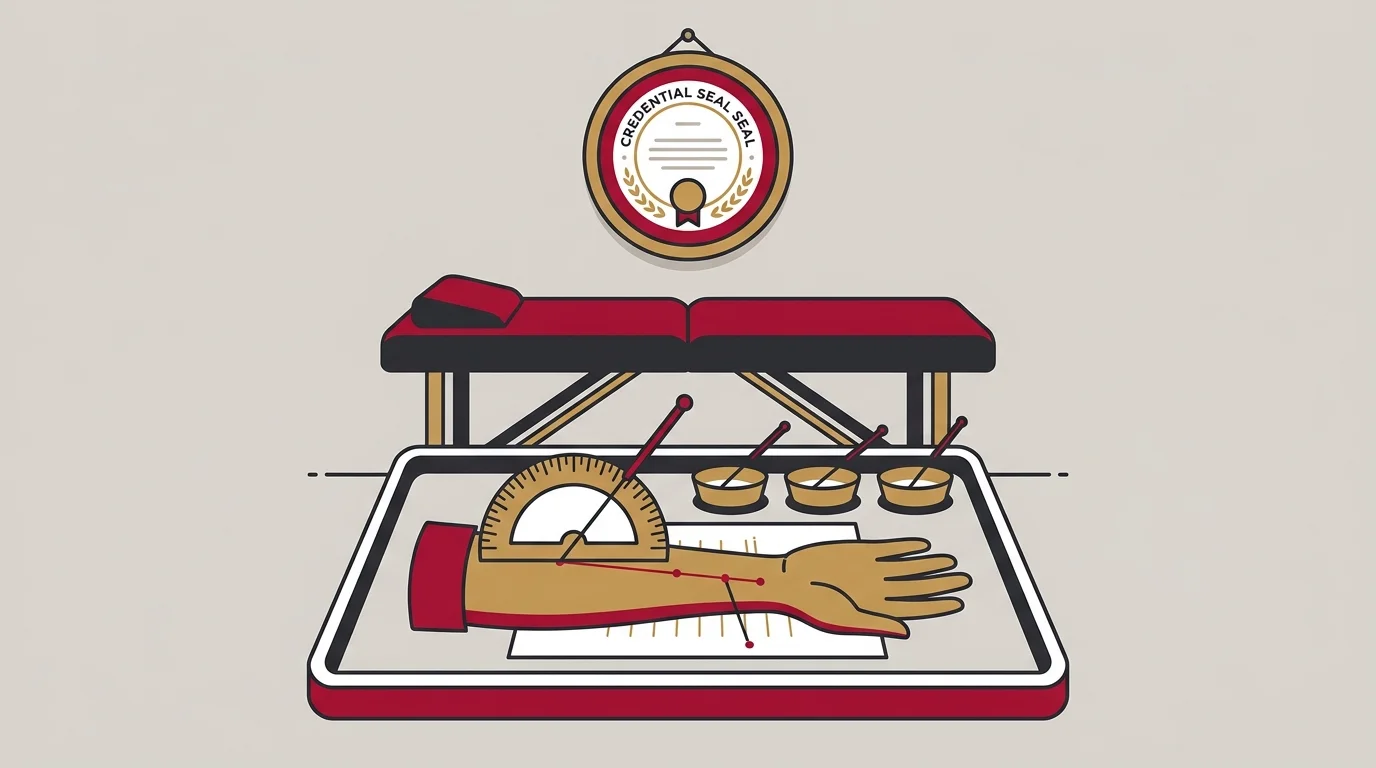
Comfort during a session is not left to chance. It comes down to a handful of variables the practitioner controls before the needle ever touches skin.
The Training Standard Behind Precision Insertion Technique
Post-doctorate training is the standard that separates a rushed insertion from a precise one. It teaches depth, angle, and point selection with a level of accuracy that keeps the sensation gentle rather than sharp.
Frequently Asked Questions
A few questions come up again and again once the science and the technique are on the table. Here are the direct answers.
How big are acupuncture needles compared to the needles used for shots or blood draws?
Acupuncture needles are solid filaments, not hollow tubes built to draw blood or push fluid. A shot needle is far thicker by design, since it has to carry liquid through its center. The size difference alone explains why the two feel nothing alike going in.
What sensations are normal to feel during an acupuncture session?
Mild pressure, warmth, tingling, or a heavy pulling feeling at the point are all normal. Sharp pain isn't, and it usually points to a technique problem rather than a normal response. A trained hand keeps the sensation in that gentle range on purpose.
Can I tell my acupuncturist I have a severe needle phobia?
Yes, and it changes how the session gets handled. A practitioner trained for anxious patients slows the pacing, walks through each step, and starts with the thinnest points. Post-Doctorate Precision Acupuncture treats that conversation as part of the technique, not a hassle around it.
Is it possible for an acupuncture needle to break or get stuck?
Modern needles are made from flexible, high-quality material built specifically to resist breaking or bending in normal use. Getting stuck is rare, and it almost always traces back to a patient tensing hard around the point. A steady, well-guided insertion sidesteps both from the start.
How does acupuncture actually work to relieve pain and anxiety?
The needle appears to trigger the release of the body's own natural painkillers, a mechanism separate from simple distraction. That chemical response is layered on top of the physical relief that comes from precise, low-trauma insertion. Anxiety relief follows the same pattern, easing once the anticipated pain never shows up.
What does the deqi sensation feel like compared to sharp pain?
Deqi feels like a dull ache, a spreading warmth, or a heavy pulling sensation, never a sharp bite. Sharp pain means the insertion missed its mark. Deqi means the point was found and the treatment is doing what it is meant to do.
Where the Fear Actually Leads
The fear was never really about the needle. It was about a memory of a different needle entirely, one that never actually shows up in the room.
Resolve that mismatch and the fear has nowhere left to stand. What's left is a thin, solid filament placed with Post-Doctorate Precision Acupuncture, guided by a trained hand instead of a rushed one. The pain you braced for and the sensation you felt were never the same thing.
Overcoming needle anxiety was never a matter of gritting through discomfort. It is a matter of choosing a practitioner whose training makes that discomfort irrelevant. If that mismatch between fear and sensation sounds familiar, book an appointment with Touch of Wellness Chiropractic.