
(309) 321-8412 | 1101 W Jackson St, Suite A, Morton, IL 61550
(309) 321-8412 | 1101 W Jackson St, Suite A, Morton, IL 61550
Why ‘Nerve Pain’ Is Not Always a Sign of Permanent Nerve Damage: The Truth About Restoration
Nerve pain is a biological warning signal. It means a nerve is under stress — compressed, inflamed, or cut off from the oxygen and nutrients it needs to function — not that the nerve has been permanently destroyed.
Permanent nerve damage looks different from what most people assume. When a nerve is truly and irreversibly destroyed, the result is often silence: numbness, total absence of feeling. Pain — burning, tingling, shooting, electric — is the sound a living nerve makes when it’s struggling. If it hurts, the nerve is still capable of hurting. That’s clinically meaningful.
Peripheral nerves have an intrinsic capacity for recovery. Scientists call this neuroplasticity. When a nerve is stressed but not destroyed, it shifts into what can be described as functional distress — misfiring because its biological environment has become hostile. Relieve the compression. Restore the circulation. Remove the structural interference. The nerve’s environment changes, and recovery becomes possible.
The problem is that most conversations about nerve pain skip this distinction entirely. A clean MRI gets interpreted as “nothing to find.” A prescription manages the signal. The underlying cause — the compression, the starvation, the structural interference — stays exactly where it is.
This article explains the biology behind nerve pain versus nerve death, why standard diagnostic testing frequently misses the most critical window for intervention, what the Disruption Threshold is and why it matters, and what a structured path toward nerve restoration actually looks like — including who it’s built for and who it isn’t.
Last Updated: April 8, 2026
- The Difference Between a Struggling Nerve and a Dead One
- Why a Normal MRI Doesn’t Prove Your Nerve Is Fine
- The Biology of Peripheral Nerve Recovery
- What Restoration Looks Like at Touch of Wellness Chiropractic
-
Frequently Asked Questions About Nerve Pain and Recovery
- Why does it still hurt if my doctor said the nerve isn’t “dead”?
- Can nerves heal if they’ve been compressed for years?
- Is Gabapentin helping my nerves heal?
- What is the “Disruption Threshold”?
- How long does it take for a nerve to recover once the compression is removed?
- What’s the difference between neuropathy and nerve death?
- How does chiropractic adjustment support nerve recovery?
- The Real Answer Is Still in There
The Difference Between a Struggling Nerve and a Dead One
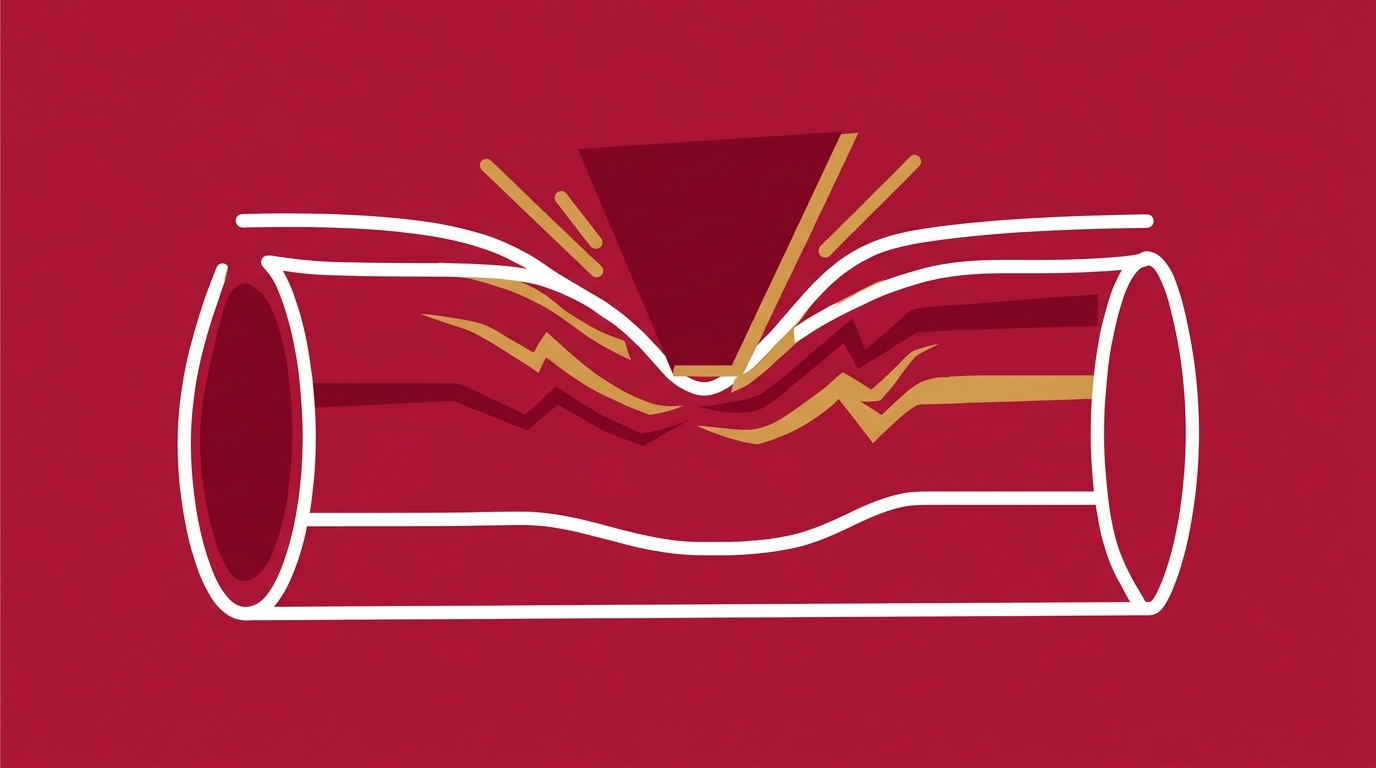
Here’s what happens in most clinical settings when a nerve pain workup comes back normal: you’re told nothing is wrong.
That’s not a diagnosis. That’s a limitation of the tool.
An MRI sees structure. It doesn’t see function. A nerve can be under significant stress — compressed, oxygen-starved, misfiring constantly — and show up perfectly clean on imaging. “Normal MRI” doesn’t mean healthy nerve. It means the imaging tool couldn’t detect what’s happening at the functional level. That’s exactly the gap chiropractic care is built to address.
What the Pain Signal Is Actually Telling You
Pain is communication.
A compressed nerve — pressed by a disc, squeezed by inflamed tissue, cut off from the blood flow it needs — doesn’t go quiet. It distorts. What you feel as burning, tingling, or shooting is the nervous system’s version of a smoke alarm.
The building isn’t burned down. But something’s wrong with the environment.
According to the NIH National Institute of Neurological Disorders and Stroke, peripheral nerves depend on a consistent supply of oxygen and nutrients to function. When circulation is disrupted, signal distortion — not immediate nerve cell death — is typically the first clinical result.
Pain means the nerve is alive. It hurts because it’s still capable of hurting.
| Characteristic | Functional Distress | Structural Nerve Death |
|---|---|---|
| Primary sensation | Burning, tingling, shooting pain | Numbness — absence of sensation |
| Nerve status | Alive, misfiring due to hostile environment | Nerve fibers degraded or destroyed |
| Reversibility | Often recoverable with correct intervention | Irreversible at the damaged segment |
| Standard test findings | Often normal on MRI or EMG | May show measurable structural changes |
| Clinical opportunity | High — timing and environment are the key variables | Limited — partial recovery at best |
- Burning or electric pain — The nerve is still firing. Incorrectly, but firing. That’s not destruction — that’s distress.
- Tingling or numbness in a specific zone — Maps to a compression point along the nerve pathway. Diffuse nerve death looks completely different.
- Symptoms that shift with body position — That’s mechanical interference. Permanent damage doesn’t respond to how you sit or move.
- Pain that returns when medication wears off — Nothing changed. The source was never touched.
Why Masking Nerve Pain Is Not the Same as Treating It
Gabapentin doesn’t heal nerves.
Neither does pregabalin. Neither does anything whose mechanism is to suppress the electrical signal the nerve is sending.
Here’s the analogy. If a plant’s leaves are turning brown, you don’t paint them green. You check the soil. You check the water. You find what the plant’s environment is missing — and you fix that. Nerve medications paint the leaves. The compression, the circulation failure, the structural interference — all of it stays exactly where it is.
When the prescription stops, the signal comes back. Because nothing that produced it changed.
NerveDr’s analysis of conservative care models shows that patients who start with structural intervention have reduced long-term dependency on medications that mask symptoms rather than correct the underlying source.
This isn’t a blanket argument against every pharmaceutical. It’s a specific objection to using signal suppression as a permanent stand-in for structural correction. They are not the same thing. Treating them as interchangeable is how people stay stuck for years.
Understanding why neuropathy medications only address the surface of what’s happening is where a different clinical conversation starts.
Why a Normal MRI Doesn’t Prove Your Nerve Is Fine
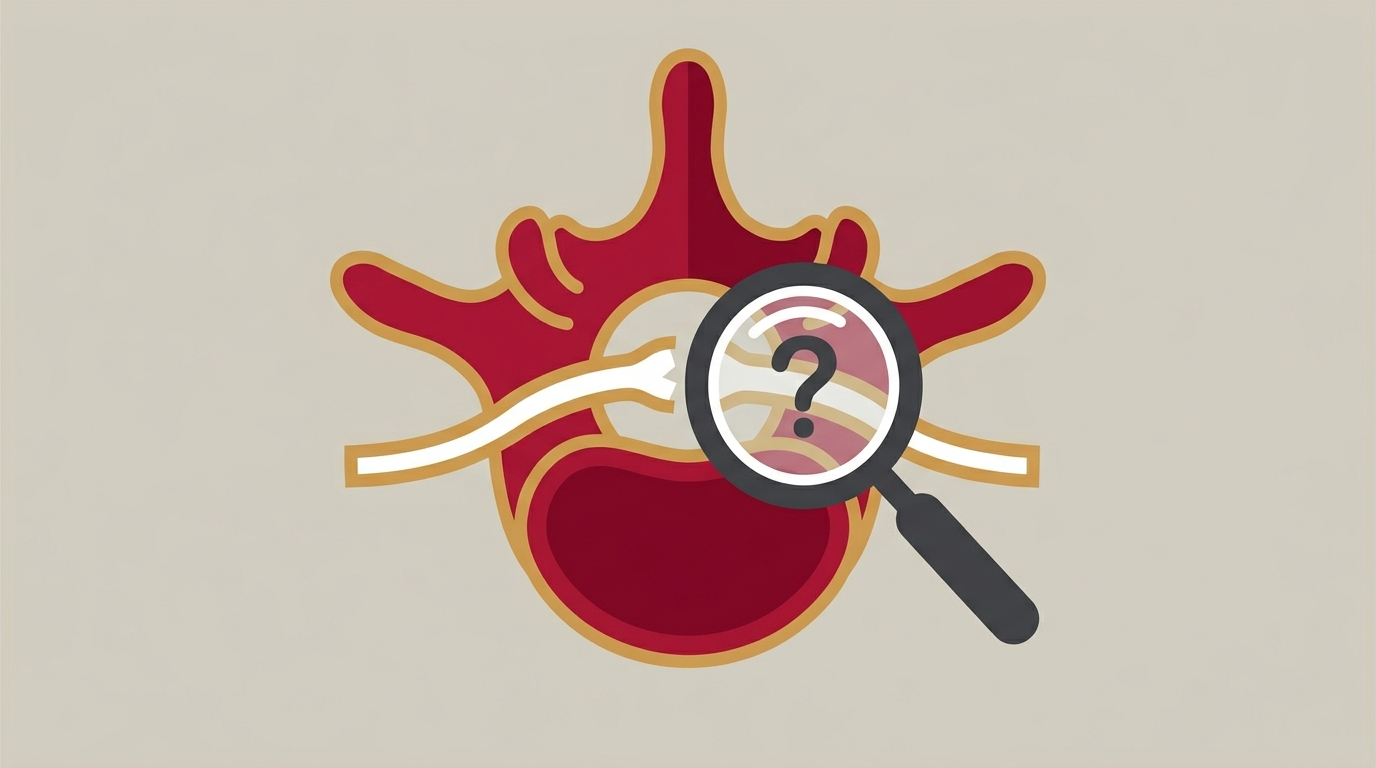
Most people who come in with unresolved nerve symptoms have already had imaging done.
Sometimes two or three scans. And somewhere along the way, they heard: “The MRI is clean.”
They took that to mean nothing is wrong. That’s not what it means.
The Limits of MRI and EMG in Detecting Functional Distress
MRI is excellent at finding structural problems — herniated discs, spinal stenosis, cord compression, gross anatomical change. It’s not built to detect what’s happening inside a nerve that’s stressed but still structurally intact.
EMG measures conduction velocity. How fast the electrical signal travels. What it doesn’t catch is sub-threshold dysfunction — the stage before speed measurably drops. A nerve can be in serious functional distress and still conduct at technically normal speed.
| Test | What It Can Detect | What It Typically Misses |
|---|---|---|
| MRI | Disc herniation, spinal stenosis, cord compression, tumors | Early-stage compression, functional distress, metabolic nerve stress |
| EMG / Nerve Conduction Study | Conduction velocity — signal transmission speed | Sub-threshold dysfunction, small-fiber neuropathy, early-stage nerve stress |
| Standard Blood Panel | Diabetes markers, autoimmune indicators, vitamin deficiencies | Mechanical nerve compression, postural load, circulation restriction |
That’s the gap. And it’s exactly where clinical intervention matters most.
- Symptoms that shift with position — Pain that responds to how you sit or move is mechanical. It’s still in the functional distress range, and that’s the window.
- Symptoms that are constant regardless of position — A nerve that’s under sustained stress 24 hours a day. The environment is persistently hostile.
- Numbness spreading outward — When the numb zone expands rather than fluctuates, the Disruption Threshold is approaching.
- Normal tests, abnormal life — If the imaging came back clean and you still can’t sleep, sit, or function — trust what your body is reporting. The tool has limits. Your experience doesn’t.
Learning to identify peripheral neuropathy symptoms early — before imaging confirms anything — is what changes what’s possible downstream.
The Window Between Functional Distress and Structural Damage
There’s a line on the nerve’s path where the recovery window starts closing.
Below it: the nerve is alive, misfiring, but the biological architecture for repair is still intact. Remove the compression, restore the environment, and the nerve responds.
Above it: fiber breakdown begins. Recovery is still possible — but full restoration gives way to partial at best.
Research from PubMed Central confirms that peripheral nerves can regenerate when the biological environment supports them. The clinical goal is creating that environment — before the window closes.
“Wait and see” on nerve pain with normal test results isn’t a neutral clinical stance. It’s a decision. And it carries a real cost, because the nerve doesn’t hold still while you wait.
The Biology of Peripheral Nerve Recovery
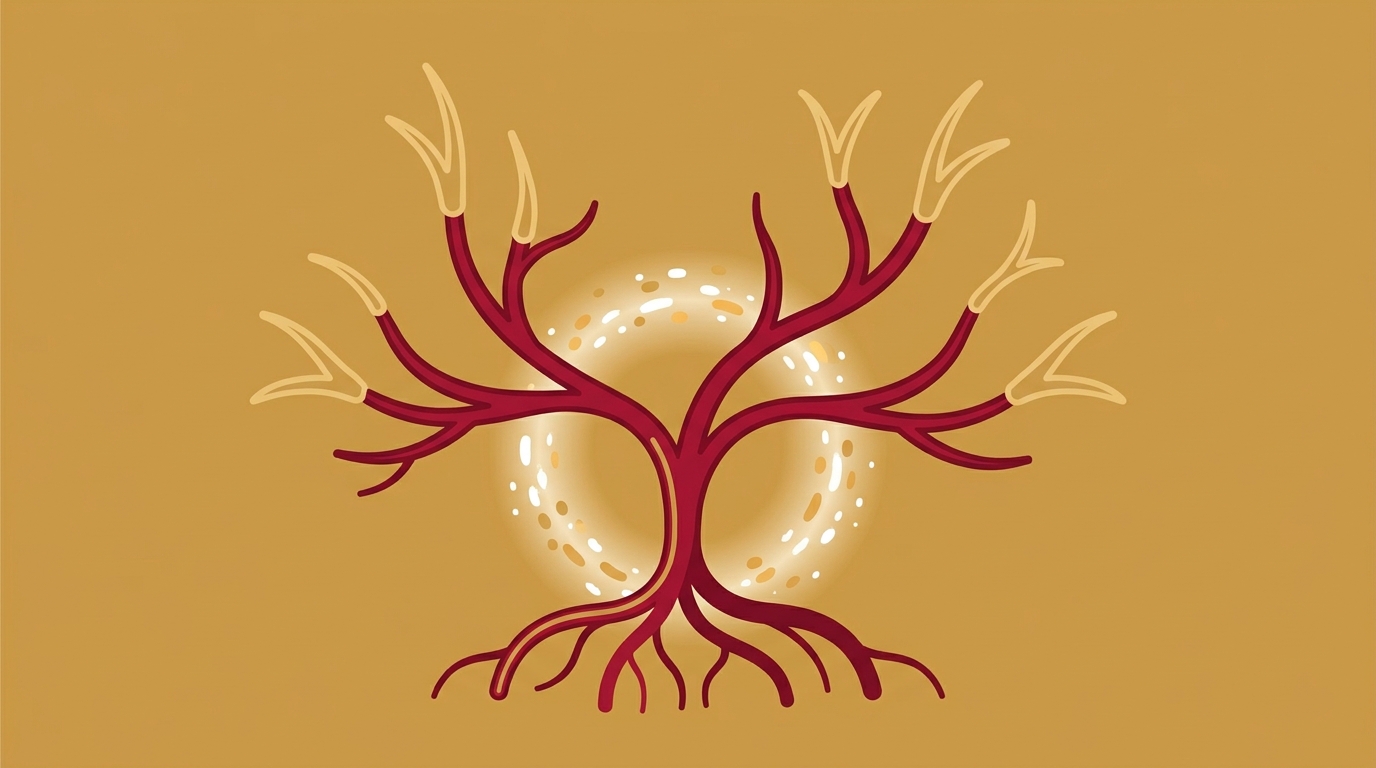
Nerves aren’t binary — working or dead, fine or destroyed.
They’re living tissue. They need oxygen. They need glucose. They need a structural environment that isn’t crushing them. When the environment is hostile, they respond. When it improves, they often respond to that too.
That capacity for response is called neuroplasticity. And it’s exactly why “permanent” is the wrong word in most nerve pain conversations.
Neuroplasticity and What It Means for Your Prognosis
Research published in Brain Sciences through MDPI shows that spinal adjustments alter central neural function and support peripheral motor and sensory recovery. The mechanism isn’t complicated. Misalignment creates compression. Correction removes it. A better environment produces better nerve function.
The variables that determine whether recovery happens aren’t a mystery:
- Environment — Is the compression removed? Is circulation restored? Or is the source still in place while only the signal gets managed?
- Timing — How long has the nerve been under stress? How close to the Disruption Threshold has it moved?
- Consistency — Nerve tissue is slow to regenerate. A care plan followed completely produces different results than one followed halfway.
| Recovery Factor | Supports Restoration | Slows or Prevents It |
|---|---|---|
| Compression status | Compression removed via structural correction | Compression ongoing — source untreated |
| Circulation | Blood flow and nutrient delivery restored | Restricted by inflammation or structural load |
| Intervention timing | Early — before the Disruption Threshold is crossed | Late — after structural nerve degradation begins |
| Care plan completion | Full protocol followed consistently | Partial commitment, inconsistent attendance |
| Approach to the signal | Structural source addressed | Signal suppressed only — source remains |
Whether chiropractic care can make a meaningful difference for damaged nerve pathways isn’t a theoretical question. The biology answers it. The clinical question is whether anyone is addressing the right things.
The Disruption Threshold — Why Timing Changes Everything
Not all nerve distress is the same.
The Disruption Threshold is the line between a nerve that’s stressed and one that’s structurally deteriorating. Below it: the architecture for repair is intact. Above it: fiber breakdown starts — and what’s clinically possible changes significantly.
Pain is usually the sign you’re still below it.
Spreading, progressive numbness — the kind that’s expanding instead of fluctuating — is often the warning you’re approaching it.
Waiting doesn’t hold the nerve still. It holds the hostile environment in place. The nerve keeps responding to that environment the whole time you’re waiting.
This Protocol Is Not for the One-Visit Seeker
If you’re planning to come in once and see if it works — this isn’t the right practice for that expectation.
Not because a single visit isn’t worth doing. Because nerve recovery is a biological process, not an event.
What the protocol is doing — removing interference, restoring circulation, giving the nerve consistent signal that its environment has changed — takes time. That’s not a disclaimer. It’s biology.
I’ve had patients come in carrying 12-month treatment plans their previous provider handed them on the first visit. Before the assessment was even finished. That number wasn’t built from clinical findings. It was built from a billing model. That’s not how care plans work here.
What you’ll get is an honest assessment of where your nerve sits on that continuum — and a plan that reflects your actual clinical picture. If something isn’t producing results after a reasonable number of visits, it changes. Not repeats. Changes.
But if you need one visit to decide whether nerve recovery is real — this isn’t your fit. The biology doesn’t compress into a test drive.
What Restoration Looks Like at Touch of Wellness Chiropractic
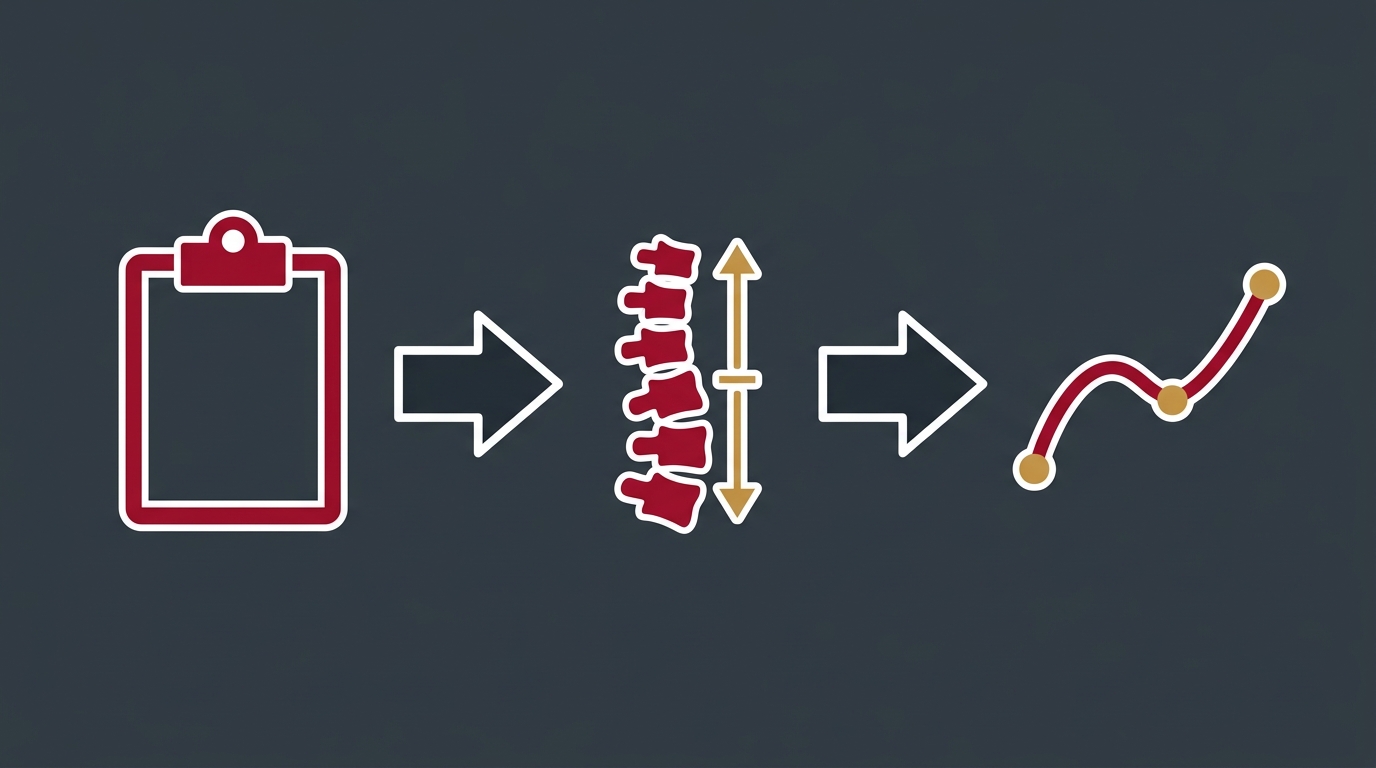
The nerve isn’t the problem. The nerve’s environment is.
That’s the premise everything else is built on at Touch of Wellness Chiropractic.
Neuropathy Care here isn’t about managing what you’re living with. It’s about identifying what’s creating the hostile environment and correcting it. That’s a different clinical conversation than most people with nerve symptoms have been offered.
The Nerve Restoration Protocol — Process, Not Promise
It starts with an assessment.
Not a treatment plan. Not a protocol handed over before the clinical picture is complete. An assessment.
What’s compressing the nerve? Where is circulation restricted? What structural interference is keeping the environment hostile? Those answers build the care plan — not the other way around.
- Assessment before anything else — Nothing is decided before the clinical picture is built. The care plan comes from what you report and what the assessment finds — not from a billing calendar.
- Individual response, tracked — What changes one patient’s nerve environment doesn’t automatically work for another’s. That’s not a flaw in the protocol. That’s why individualized care exists.
- Course correction when needed — If results don’t follow after a reasonable trial, the plan changes. Stop, reassess, adjust. That’s not failure — it’s the clinical standard.
If you want the full breakdown of what the Nerve Restoration Protocol involves at Touch of Wellness Chiropractic before you come in, read it first. It’s worth your time.
What comes from that assessment is individual. It doesn’t front-load months of treatment before the evaluation is complete. And when something isn’t producing results, it changes.
Not repeats. Changes.
A provider who keeps running the same protocol after it’s stopped working isn’t delivering care. They’re delivering inertia. That’s not the standard here.
Dr. Hannah’s Zoology Lens — a Whole-Organism Approach to Nerve Health
Dr. Hannah didn’t study biology. She studied Zoology — whole-organism biological systems, the science of how everything in a living system interacts with everything else.
That’s not trivia. It’s a clinical differentiator.
Nerve health doesn’t live in one spinal segment. It lives at the intersection of structural alignment, circulation, metabolic environment, and systemic stress load. A clinician trained to think in terms of whole-organism balance sees nerve pain differently than one trained to match a complaint to a protocol.
The Zoology-trained eye looks at the soil. Not just the leaves.
Understanding why neuropathy medications only address the surface of what’s driving symptoms is part of why that clinical lens matters.
| Clinical Variable | Conventional Approach | Touch of Wellness Chiropractic Approach |
|---|---|---|
| Primary tool | Pharmaceutical signal suppression | Structural correction + environment restoration |
| Assessment driver | Diagnostic code and standard protocol | Individual clinical picture built from patient report |
| Treatment flexibility | Fixed prescription | Adapts when results don’t match clinical expectations |
| Clinical goal | Symptom management | Restoration of nerve environment and function |
| Timeline basis | Calendar-driven | Outcome-driven — changes when outcomes don’t follow |
Frequently Asked Questions About Nerve Pain and Recovery
Why does it still hurt if my doctor said the nerve isn’t “dead”?
Pain is the signal a struggling nerve sends. If the nerve were completely dead, you’d most likely feel nothing — numbness, not pain.
Pain means the nerve is alive. That’s good news, even when it doesn’t feel like it.
The clinical work from that point is finding what’s creating the hostile environment making it misfire — and fixing that. The confirmation is the starting point, not the answer.
Can nerves heal if they’ve been compressed for years?
Duration matters. But it’s not the only variable.
Peripheral nerves are more resilient than most people expect. Remove the compression. Restore the environment. Recovery is often possible.
The longer the pressure stays, the narrower the window gets. That’s why intervention while tests still look normal isn’t premature — it’s the right move. Results vary by individual clinical presentation.
Is Gabapentin helping my nerves heal?
No.
The compression is still there. The circulation failure is still there. The structural interference is still there. Gabapentin suppresses the alarm, not the fire.
When the prescription stops, the signal comes back. Because nothing that produced it changed.
The drug works as designed. The problem is using it as a long-term substitute for structural correction that hasn’t been tried.
“But isn’t managing pain while you look for the source reasonable?” Short-term? Yes. As a destination when the source is addressable and hasn’t been addressed? No. That’s where management becomes avoidance.
What is the “Disruption Threshold”?
The Disruption Threshold is the point at which a nerve moves from functional distress — stressed and misfiring but structurally intact — to structural failure, where nerve fibers begin to degrade.
Below it, full restoration is often the goal. Above it, partial recovery becomes more realistic.
Pain is usually a sign you’re still below it. Spreading numbness — expanding, not fluctuating — is the warning you’re approaching the line. This is why timing matters more than most people realize.
How long does it take for a nerve to recover once the compression is removed?
Slower than anyone wants to hear. Peripheral nerve tissue regenerates at a fraction of the speed of other biological tissue.
How long depends on duration of compression, proximity to the Disruption Threshold, and how completely the care plan is followed.
A protocol followed fully produces different results than one followed halfway. The biology isn’t negotiable on that. Consistency is what creates the environment nerve regeneration requires. Results vary by individual clinical presentation.
What’s the difference between neuropathy and nerve death?
Neuropathy is a broad clinical term for nerve dysfunction — it covers everything from early functional distress to advanced structural damage. Nerve death is the end stage: irreversible, complete loss of nerve function at the cellular level.
Most people with burning, tingling, or shooting pain are somewhere in the neuropathy spectrum — not at the terminal stage.
The right question isn’t “is the nerve dead?” It’s “where on that continuum is this nerve — and what can we do about it right now?”
How does chiropractic adjustment support nerve recovery?
By addressing what’s compressing the nerve in the first place. Spinal misalignment creates mechanical interference along nerve pathways.
Correction removes the interference. The nerve’s environment improves. Recovery follows.
Research confirms that spinal adjustments alter central neural function and support peripheral sensory and motor recovery. The mechanism is structural. You’re not supplementing around the problem — you’re removing what’s causing it.
The Real Answer Is Still in There
If it’s burning, tingling, or shooting — that nerve is still talking.
That’s not a death notice. That’s a request for a better environment. Alive is what you work with.
The standard response to ongoing nerve pain with clean imaging is either a medication to suppress the signal or a recommendation to wait. Neither of those corrects what’s driving the nerve into distress. The fire keeps burning while the alarm gets quieter.
Unexplained doesn’t mean untreatable. A clean MRI isn’t a verdict. It’s a limit of the tool.
If you’ve been told to wait, handed a prescription that manages the signal while the source sits untouched, or dismissed because nothing showed on the scan — that’s not the end of the road. That’s where the right clinical question finally starts.
The Disruption Threshold doesn’t wait for you to feel ready. The window narrows. The nerve doesn’t hold still.
Real answers, real care, real outcomes. That’s the conversation this practice is built for.
Your nerve is still sending a signal. That means the conversation isn’t over.
If you’ve run through imaging, prescriptions, and a “wait and see” — and the pain is still there — the question isn’t whether something’s wrong. It’s whether anyone has looked at the right thing yet.
The assessment at Touch of Wellness Chiropractic starts with what you actually report. Not a standard protocol. Not a 12-month plan issued before the clinical picture is complete.
Map your nerve symptoms to an assessment and find out what’s actually driving them — before the restoration window closes.
The nerve is still alive. That’s the window. Use it.
Copyright Touch of Wellness Chiropractic 2026
1101 W Jackson St, Suite A Morton, IL 61550
Web Design by iTech Valet