
Post-laser movement guidelines call for gentle, low-intensity activity in the hours immediately following a Cold Laser Therapy session, rather than complete rest. Photobiomodulation triggers a temporary rise in cellular energy production, and light movement helps direct that energy toward tissue repair before the effect fades. This period functions as a metabolic window: a short stretch of time when treated tissue is primed to use extra cellular fuel more effectively than it can at rest or under heavy strain. The window opens the moment the laser turns off and gradually narrows over the following hours as cellular activity returns to baseline. Appropriate movement during this window includes gentle range-of-motion exercises, light walking, and stretching that does not provoke pain or strain the treated area. Activities to avoid include high-intensity exercise, heavy lifting, and any movement that causes sharp or increasing discomfort, since these can divert the body's resources away from repair and toward managing new stress. The goal is not exertion. It is deliberate, low-load motion that supports circulation and encourages the treated tissue to use its temporary energy surplus productively. Hydration also supports this process, since adequate fluid intake helps maintain the cellular environment needed for efficient metabolic activity. Timing matters as much as the type of movement chosen. Movement introduced too late, once the window has closed, offers less benefit than movement introduced while cellular activity remains elevated. Understanding this window reframes the period after treatment: it is an active phase of recovery with a defined beginning and a gradual end, not an open-ended instruction to simply rest and wait.
What Actually Happens Inside a Cell During Photobiomodulation
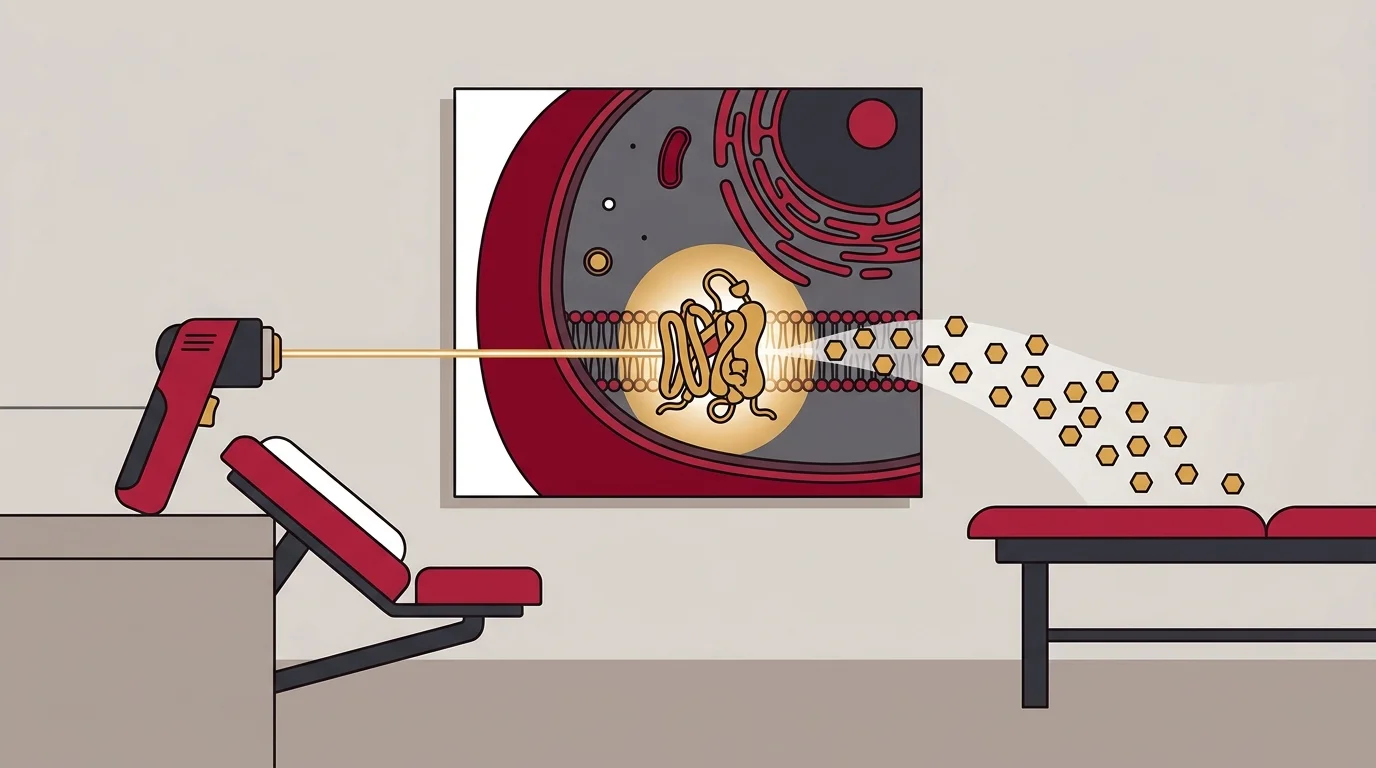
Photobiomodulation triggers a specific chain reaction at the cellular level, well before the treated area feels different. Light energy reaches the mitochondria and sets a metabolic window in motion, one that opens the moment the laser turns off.
That window is exactly why a photobiomodulation or Cold Laser Therapy session leaves cells primed for healing in a way they aren't at any other time. Understand what's happening inside the cell, and the minutes and hours afterward stop looking like downtime. They carry more opportunity than most patients realize.
The Cytochrome c Oxidase Pathway
Inside the cell, light energy gets absorbed by cytochrome c oxidase, a checkpoint enzyme in the mitochondria's energy-production chain. Activate that enzyme with near-infrared light, and you speed up the chemical process that makes cellular fuel. That's the mechanism the cold laser therapy explained from the ground up research base keeps building on.
Researchers measured 1064-nm laser exposure in human forearms, in living tissue, and saw this activation pattern directly. Findings published through the journal Nature show near-infrared laser treatment increased cytochrome c oxidase concentration in human forearm tissue compared to placebo, with this increase preceding increases in oxygenated hemoglobin. The sequencing is the part that matters: the cellular response leads, circulation follows behind it, and that order confirms the energy shift starts inside the cell rather than at the surface.
Why 'Just Rest' Misses the Point of the Metabolic Window
The mechanism above is measurable. The advice most patients receive after treatment usually is not.
After a procedure like this, the standard guidance is simple: rest completely. But that advice skips right over a critical window of metabolic opportunity. It treats a biologically active period as though nothing were happening inside the tissue at all.
The Problem With Blanket Rest Advice
Blanket rest advice assumes recovery is passive. It is not built for a window where cellular fuel production is temporarily elevated and available to be used.
Active recovery, by contrast, refers to the use of low-intensity movement to enhance circulation, reduce soreness, and accelerate the healing process. That approach works with the metabolic window instead of ignoring it, which is exactly what the Timelines and Sensations breakdown of the treatment itself walks through in more detail.
How Long the Window Actually Stays Open
The metabolic window is not a vague idea. Laboratory research gives it a start and an approximate close, rather than leaving it open to guesswork.
That timeline has real measurement behind it, not just theory about how cells might behave. It backs gentle movement introduced soon after treatment, and it explains why waiting too long trades away part of the benefit, a point the Contraindications, Eye Protection resource touches on when it covers appropriate treatment timing.
| Time After Session | Cellular Marker | What It Indicates |
|---|---|---|
| Immediately after treatment | Cytochrome c oxidase activation | The cellular energy-production chain has already been triggered, before any change in blood flow is measurable |
| Within the first hour | Rising oxygenated hemoglobin | Circulation is responding to the cellular signal, carrying fuel toward the treated tissue |
| One to three hours post-session | Measurable shifts in cell viability and mitochondrial activity | The tissue is actively using the metabolic surplus, marking the window's most productive stretch |
| Several hours after treatment | Cellular activity returning toward baseline | The window is narrowing, and gentle movement introduced this late captures less of the surplus |
Cellular Effects in the First Hours
Researchers exposed human skin fibroblasts to a single dose of helium-neon laser light and watched the cells respond. Direct effects, including changes in cell viability and mitochondrial activity, showed up within 1 to 3 hours after that single treatment. According to published research data, direct cellular effects of laser irradiation, including changes in cell viability and mitochondrial activity, are detectable within 1 to 3 hours after treatment — a laboratory finding rather than a study in people.
That range gives the treated tissue a practical, bounded shape rather than an indefinite recovery period. Movement introduced early has a real cellular process to support, not just a guess about timing.
What Happens When the Window Is Wasted or Overloaded
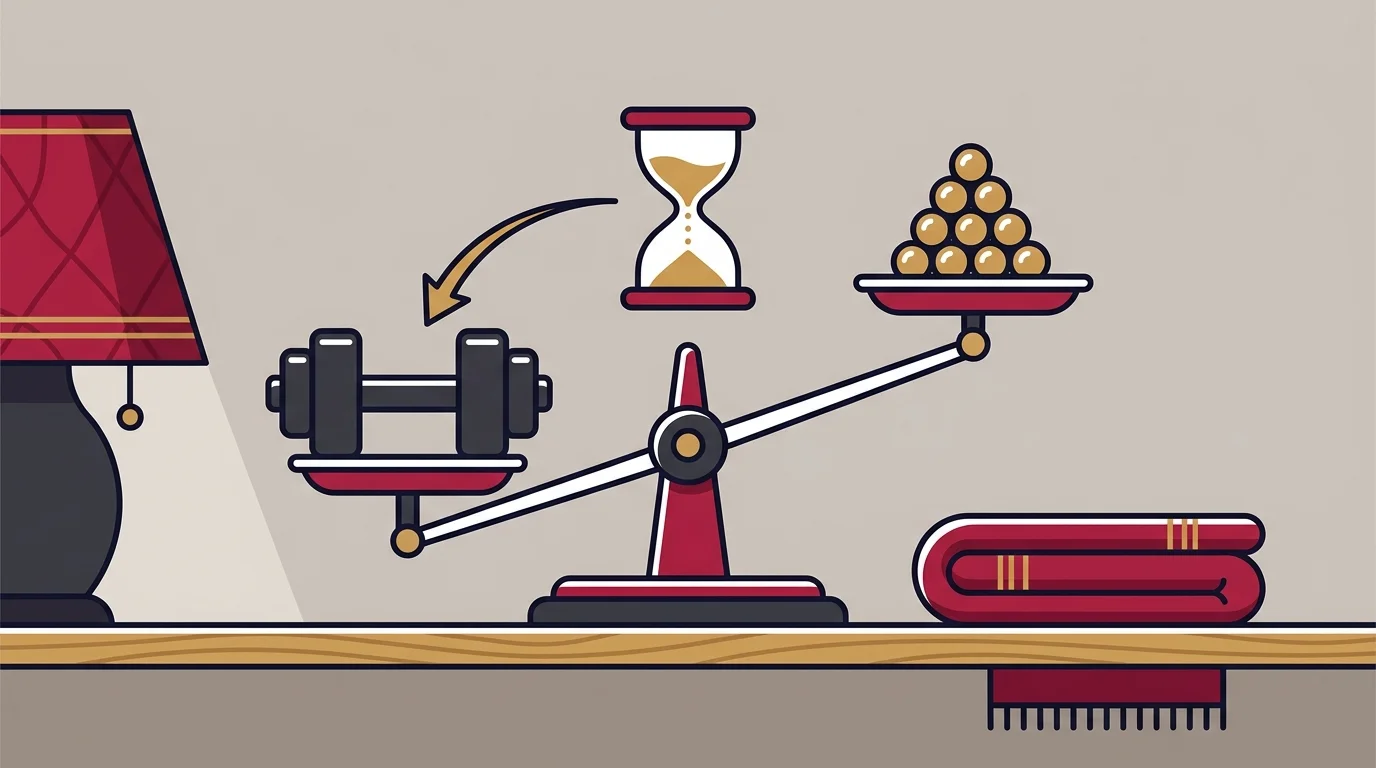
Here's the catch: the metabolic window closes on its own, whether or not you put it to use. Two things waste it. Doing nothing at all, and doing far too much.
Rest completely, and the cellular fuel surplus just sits there unused, fading without ever helping repair. Overexert, and the body burns through that same surplus fast, then has to pull resources toward managing new stress instead of mending old tissue.
| Activity Pattern | Effect on the Metabolic Window | Outcome |
|---|---|---|
| Complete rest, no movement at all | Cellular fuel surplus goes unused and fades as the window closes | Reduced repair benefit from the treatment, requiring the next session to start closer to baseline |
| High-intensity exercise or heavy lifting | Energy surplus is consumed managing new strain instead of directed toward the treated tissue | Resources diverted to damage control, working against the goal of the Cold Laser Therapy session |
| Gentle range-of-motion movement or light walking | Circulation supports the window while cellular activity remains elevated | Energy surplus is put toward tissue repair before the window narrows |
| Movement delayed until well after treatment | Window has already narrowed or closed by the time activity begins | Reduced benefit compared to movement introduced while cellular activity is still elevated |
The Mechanics of Overexertion
Putting the post-laser energy surge to work isn't about pushing through pain. It's strategic, gentle movement that supports cellular repair. Hard, high-intensity effort right after a Cold Laser Therapy session works against that, not for it.
Heavy lifting or hard training brings back the exact strain the treatment was meant to calm. So instead of steering energy toward repair, the body diverts it to damage control, a question the page on chiropractic adjustment and spinal treatment covers in more depth for anyone folding movement into ongoing chiropractic care.
Building a Movement Sequence Around the Window
A good movement sequence has structure. It starts with the gentlest motion you can manage, opens up a little more range, then stops well before the window closes.
| Device Classification | FDA-Cleared Indication | Relevance to Movement Timing |
|---|---|---|
| Class II Laser Therapy Device | Temporary relief of minor muscle and joint pain, arthritis and muscle spasm, relieving stiffness, promoting relaxation of muscle tissue, and temporarily increasing local blood circulation | Supports gentle range-of-motion movement introduced while the metabolic window is still open, since the cleared indication centers on relief and circulation rather than exertion |
| General Rest Guidance (no device classification) | Not applicable — rest advice carries no FDA clearance because it is not a device-based intervention | Offers no defined timing boundary, leaving patients unsure when the metabolic window opens or closes and often causing the surplus to go unused |
| High-Intensity Training Equipment | Not applicable — cleared for performance or conditioning use, not for post-treatment recovery timing | Works against the treated tissue's needs immediately after a Cold Laser Therapy session, since heavy load redirects cellular fuel toward managing new strain instead of repair |
Sequencing Movement by Device and Clearance
What a device is cleared to do shapes the movement that makes sense right afterward. Findings published through the FDA show the FDA cleared the TerraQuant MQ2000 Laser Therapy Device as a Class II device indicated for temporary relief of minor muscle and joint pain, arthritis and muscle spasm, relieving stiffness, promoting relaxation of muscle tissue, and temporarily increasing local blood circulation. So the clearance points toward relief and circulation, not exertion.
It supports gentle range-of-motion work right after treatment, not a return to heavy training in the same hour. Sequencing stays inside that boundary, using the window instead of testing it.
Putting the Window to Work Step by Step
Theory sets the boundaries. But practice is what happens in the treatment room in the minutes right after the laser turns off, and that sequence earns its own structure, not a vague reminder to move gently.
Immediate Post-Session Actions
Right after a Cold Laser Therapy session, the treated area is still settling, cellular activity already climbing well before anything feels different at the surface. So keep the first movements small: a few slow range-of-motion repetitions, nothing loaded, nothing rushed.
Movement Selection Over the Following Hours
Over the next several hours, movement can open up a little as the tissue tolerates it, always staying inside a pain-free range. That tracks the same window where direct cellular effects stay measurable, and it closes gradually rather than at one hard cutoff.
Frequently Asked Questions
A handful of questions come up in nearly every conversation about moving after a session. Here are straight answers to the ones patients ask most.
What kind of movements are safe to do after a laser therapy session?
Gentle range-of-motion work is safe. Think slow stretching, an easy walk, light mobility drills. Anything pain-free and low-load fits inside the metabolic window without working against it.
How soon after my laser treatment can I start doing active recovery exercises?
You can start almost immediately after a Cold Laser Therapy session. Going small and early puts the window to work while cellular activity is still climbing.
Can I do my normal high-intensity workout after a photobiomodulation session?
No. Hard training pulls the body's resources toward managing new strain instead of repair. That works directly against the cellular fuel surplus the treatment just created.
Does drinking more water help improve the results of my laser therapy?
Hydration supports the cellular environment your tissue needs to use that fuel surplus efficiently. It is a simple complement to gentle movement, not a replacement for it.
What are the signs I might be overdoing it with activity after my treatment?
Sharp pain, increasing discomfort, or swelling that builds instead of easing are signs of overexertion. That response means the body is redirecting energy toward damage control instead of repair.
What does cytochrome c oxidase have to do with laser therapy recovery?
Cytochrome c oxidase is the mitochondrial enzyme near-infrared light activates first. Fire it up, and it kicks off the fuel-production chain that gentle post-treatment movement is built to put to work.
Where This Leaves the Recovery Window
That metabolic window is the whole point. It swings open the instant the laser turns off, and it eases shut on its own timeline, whether the treated tissue ever gets used or not.
Complete rest wastes it. Push too hard and you burn through it too fast. Gentle, deliberate movement is what protects it, spending the cellular fuel surplus while it's still there rather than watching it fade unused.
That is the difference between vague rest advice and a protocol built around what the tissue is actually doing. If you want that window used well after your next session, book an appointment with Touch of Wellness Chiropractic.