
Clinical acupuncture is safe for skeptical patients because the practice operates under enforceable regulatory and professional standards rather than unverified tradition. Acupuncture needles are classified as Class II medical devices, meaning manufacturing and single-use handling requirements are federally regulated rather than left to individual discretion. Practitioners who administer treatment are required to complete post-doctorate credentialing that establishes competency benchmarks before a needle ever touches skin. Safety in this context does not depend on trusting a concept. It depends on verifiable systems: licensure requirements, standardized hygiene protocols, and documented consent procedures that apply before, during, and after treatment. Clean needle technique protocols exist specifically to prevent infection, covering handling, storage, and disposal in ways that mirror standards used across other clinical settings. Professional codes of ethics govern practitioner conduct, addressing informed consent, patient boundaries, and appropriate scope of practice. International health authorities have published stepwise guidance outlining infrastructure requirements and procedural benchmarks for safe acupuncture delivery, reinforcing that these standards are not isolated to a single country or credentialing body. State-level licensure adds another layer, requiring documented education and clinical training hours before a practitioner can legally treat patients. Taken together, these layers form a traceable chain of accountability: device regulation, credentialing, hygiene protocol, ethical oversight, and legal licensure. A skeptical patient does not need to accept acupuncture's underlying framework to evaluate its safety. The regulatory and professional infrastructure surrounding the practice can be independently verified, examined, and confirmed, offering a basis for informed decision-making that rests on documented standards rather than reassurance alone.
What Actually Determines Whether an Acupuncture Needle Is Safe to Use
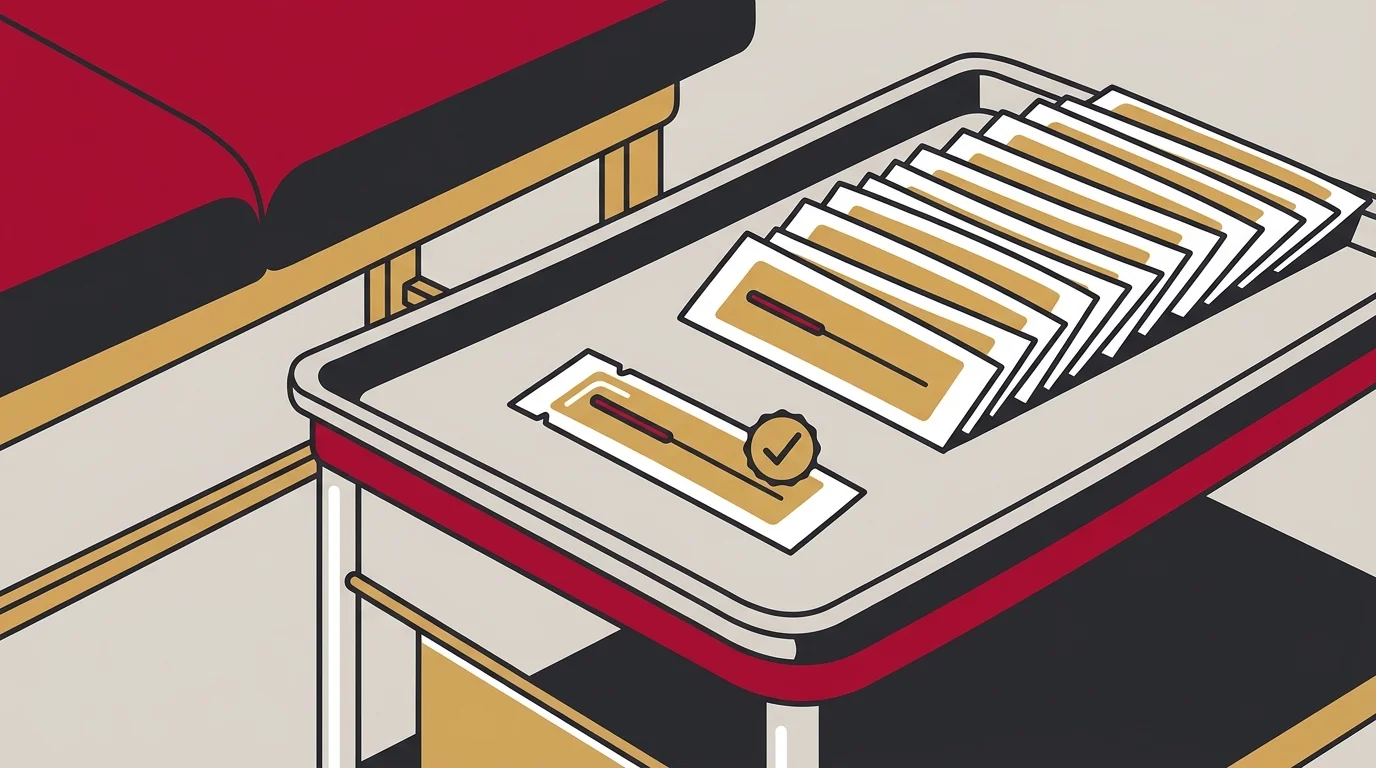
Safety doesn't start when a needle touches skin. It starts long before that, in how that needle gets classified, manufactured, and regulated at the federal level.
That classification is the first link in the paper trail. Every step after it — licensure, ethics, hygiene protocol — builds on this foundation rather than replacing it.
| Regulatory Body | What It Governs | Why It Matters to a Skeptic |
|---|---|---|
| FDA (Federal) | Device classification and manufacturing standards for the needle itself, including single-use and Good Manufacturing Practice requirements | Confirms the physical tool is a regulated medical device, not an unverified implement left to individual discretion |
| State Licensing Board | Education requirements, clinical training hours, and legal authority to practice within a given state | Establishes a documented competency floor a practitioner must clear before treating anyone, verifiable through public licensure records |
| Professional Certification Body | Codes of ethics, informed consent standards, and post-doctorate credentialing benchmarks | Governs conduct and transparency around risk, giving a skeptic a documented standard to check a practitioner against |
| Clean Needle Technique Protocol | Handling, storage, and disposal procedures designed to prevent infection during treatment | Addresses the most immediate physical fear a skeptic raises, backed by a written procedural standard rather than a verbal assurance |
Why the Needle Is Regulated Like Any Other Medical Device
Single-use acupuncture needles are classified by the FDA as Class II medical devices. That designation means they are not exempt from Good Manufacturing Practice requirements.
The FDA reports single-use acupuncture needles are classified by the FDA as Class II medical devices and are not exempt from Good Manufacturing Practice requirements.
A patient weighing acupuncture against a why deeper training beats a weekend course approach is comparing two practices governed by the same device-level federal oversight.
This matters because a skeptic can verify it independently, rather than take a practitioner's word for it. Federal classification is a documented fact, not a claim made in a treatment room.
Where Sterility Claims Break Down in Casual Practice
Owning FDA-classified equipment is not the same as running a sterile practice. A clinic can stock compliant, single-use needles and still fail the hygiene standard built around them.
The gap shows up in handling, not manufacturing. Storage, disposal, and reuse discipline live entirely with the practitioner, and a Class II device offers no protection against a shortcut taken after the package is opened.
Where Skepticism About Needle Safety Is Most Justified
Skepticism is most justified in settings where speed replaces protocol. A rushed intake, a skipped consent conversation, or a treatment room where technique is assumed rather than demonstrated all point to the same failure point.
That failure point sits between the needle and the hand holding it, not in the regulation itself. A patient comparing acupuncture to a Resolving Chronic Pain Without Medication approach for chronic pain is right to ask the same question of both — who is accountable for what happens between purchase and use.
How Global and National Bodies Define a Safe Acupuncture Encounter
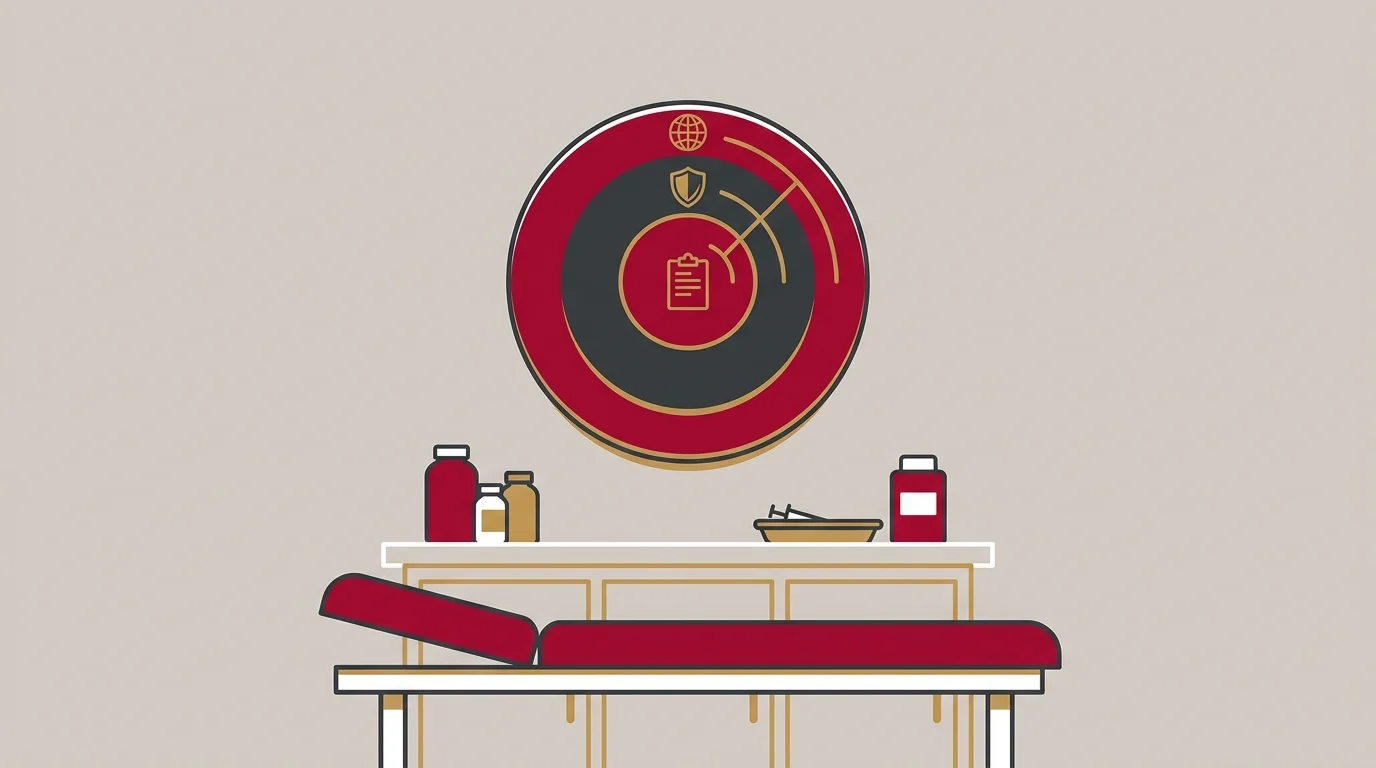
One needle's classification is only the first link. A full safety picture needs standards for the whole encounter — the room, the intake, the procedure itself.
That wider standard already exists, and it didn't stay boxed into one country or one kind of clinic. Global and national health bodies have written down what a safe acupuncture encounter is supposed to look like.
| Guidance Document | Governing Body | What It Standardizes |
|---|---|---|
| WHO Stepwise Guidance on Acupuncture | World Health Organization | Sets stepwise instructions for administering treatment, minimum infrastructure requirements for the facility, and core elements considered essential for safe delivery. |
| Clean Needle Technique Manual | National acupuncture certifying body | Standardizes infection-prevention practice at the point of contact, covering needle handling, storage, and disposal procedure. |
| State Licensure Statutes | State licensing board | Standardizes the education and clinical training hours a practitioner must document before treating patients legally. |
| Professional Code of Ethics | National credentialing and certification body | Standardizes informed consent, patient boundaries, and scope-of-practice conduct across every treatment encounter. |
The Infrastructure a Session Is Supposed to Meet
A safe session is not just a skilled hand and a compliant needle. It is a facility meeting minimum infrastructure requirements, a practitioner following a defined sequence of steps, and a procedure that does not skip elements considered essential to safe delivery.
As WHO reports, the World Health Organization has published guidance that provides stepwise instructions for administering acupuncture treatment, specifies minimum infrastructure requirements for acupuncture services, and emphasizes key elements for safe acupuncture practice. That guidance treats the space and the procedure as inseparable. So a skeptic can ask any provider a direct question: does the room and the sequence match what the guidance describes — not just does the practitioner mean well.
The Written Standard Behind Every Clean Needle Technique
Infrastructure answers where and how a session happens. Hygiene answers what happens at the point of contact — the needle entering skin.
Published academic reference reports the Clean Needle Technique Manual includes safety guidelines to prevent infection in acupuncture needling. That manual exists because infection risk is not theoretical, and it is addressed with a written procedure rather than practitioner discretion. A patient comparing this discipline against a Certified Acupuncture for Nerve Pain approach for nerve-related conditions is asking the same question either way — is the hygiene protocol documented, or assumed.
Why a Practitioner's Credential Matters More Than a Practice's Marketing
Documents and protocols only work when a credentialed person applies them right. A federally classified needle and a written hygiene manual mean nothing without a trained hand behind them.
That is why the credential behind the treatment matters more than the marketing around it. Post-doctorate training is where regulation, hygiene protocol, and ethics stop being paperwork and become practice.
| Credential Level | What It Verifies | What It Does Not Cover |
|---|---|---|
| Base Clinical Doctorate | Foundational diagnostic training and general scope-of-practice competency across a licensed discipline. | Needle-specific technique, contraindications, or acupuncture point safety protocols. |
| Post-Doctorate Acupuncture Certification | Additional coursework in needle placement, contraindication screening, and infection control layered onto existing clinical education. | Facility infrastructure, device manufacturing standards, or state licensure paperwork on its own. |
| State Licensure | Documented education hours and clinical training thresholds verified before a practitioner may legally treat patients. | Day-to-day hygiene discipline or how consent conversations are actually conducted in the room. |
| Professional Ethics Code Compliance | Practitioner conduct standards covering informed consent, patient boundaries, and appropriate scope of practice. | Device classification, manufacturing oversight, or facility-level infrastructure requirements. |
What Post-Doctorate Training Actually Adds
Post-doctorate acupuncture certification isn't a weekend add-on. It builds on an existing clinical education, layering in specific coursework on needle placement, contraindications, and infection control.
That layered training is what turns a Class II device and a hygiene manual into a safe encounter. A skeptic asking about credentials is really asking whether someone learned to apply the standards, not just buy compliant equipment.
How Consent and Ethics Requirements Protect the Patient Before a Needle Is Placed
Consent is not a form signed at intake and forgotten. Practitioners are required to follow a documented Standard of Practice on Consent whenever acupuncture treatment is provided.
As this published analysis reports, practitioners must comply with a Standard of Practice on Consent when providing acupuncture treatment. That requirement means a patient hears the procedure, the risks, and the alternatives before a needle is placed, not after. A skeptic evaluating a chiropractic treatment for chronic pain approach or an acupuncture approach is right to ask the same question of both: was consent explained, or assumed.
What Happens Mechanically When the System Works as Designed
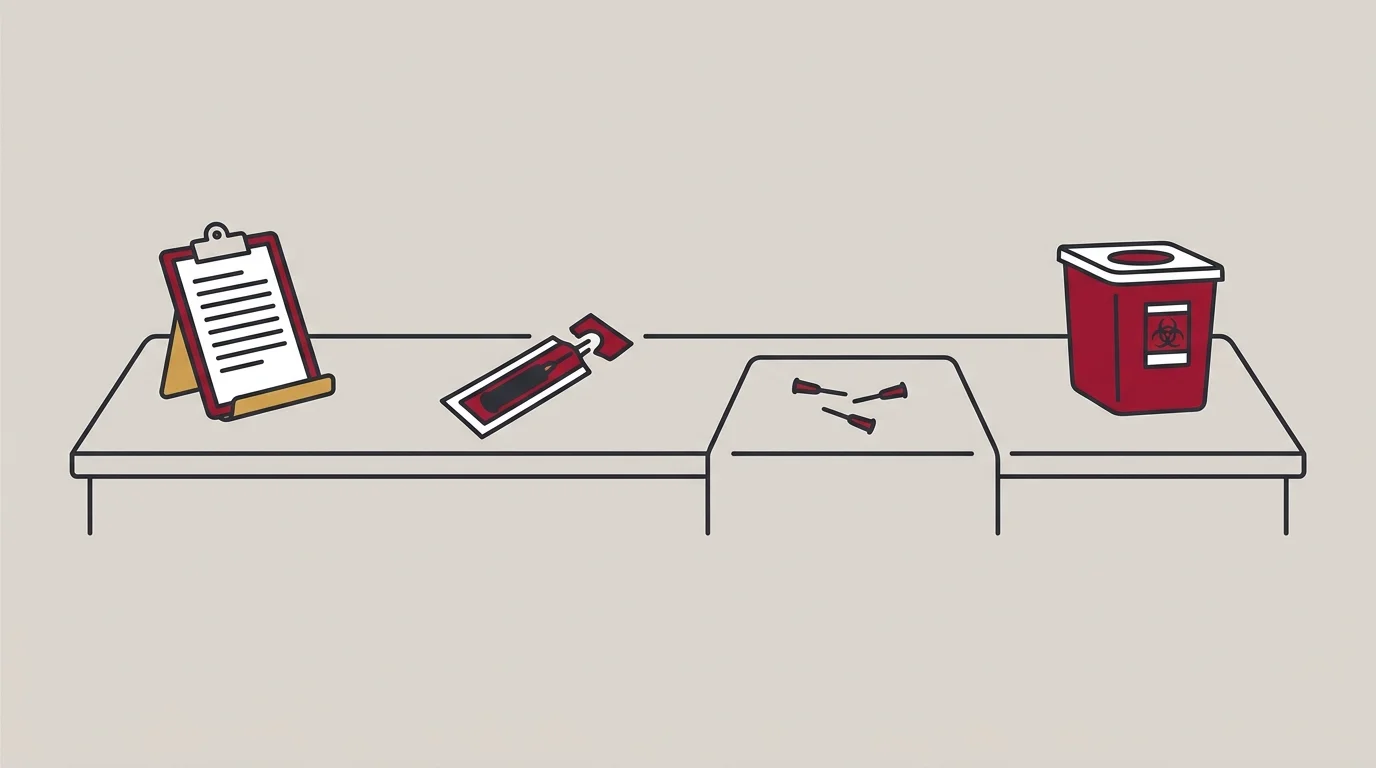
Every link in this chain exists to operate together, not in isolation. A single session shows what that looks like when the system runs as designed, from the moment a patient walks in to the moment the needles come out.
| Session Stage | What Occurs | Standard It Satisfies |
|---|---|---|
| Intake and Consent | Practitioner explains the procedure, expected sensations, and alternatives before any needle is placed | Standard of Practice on Consent |
| Needle Placement | Practitioner applies post-doctorate training to select points and depth appropriate to the patient's condition | Post-doctorate credentialing and licensure requirements |
| Handling and Disposal | Single-use needles are opened, used once, and disposed of following documented hygiene procedure | Clean Needle Technique safety guidelines to prevent infection |
| Session Closure | Practitioner documents the encounter and confirms the consent and procedure standard were followed throughout | Standard of Practice on Consent and ethical conduct codes |
The Session Sequence a Compliant Encounter Follows
Consent comes first, and it's a conversation, not a signature. Before anything touches skin, the practitioner walks through the procedure, the sensations to expect, and the alternatives.
Needle placement follows the hygiene protocol drilled into training — not a shortcut built into a rushed schedule. Disposal happens the same way every time, and the session closes on the same documentation standard it opened with.
Frequently Asked Questions
Tracing the paper trail settles the architecture. What's left are the specific, personal questions a skeptical mind still asks before agreeing to a needle.
Does acupuncture hurt, and is it normal to be nervous about the needles?
Most patients describe the sensation as a brief pinch, not sustained pain. Nervousness is a normal response to needles, and a credentialed practitioner will walk you through the sensation before it happens rather than dismiss the concern.
What are the actual qualifications I should look for in an acupuncturist to ensure they are safe?
Look for post-doctorate acupuncture certification, not a weekend course bolted onto an unrelated license. Then ask whether the practitioner follows documented clean needle technique and can explain their consent process before treatment starts.
Can acupuncture interfere with my other medical treatments or medications?
It can, which is exactly why a documented intake conversation matters. Acupuncture interacts with certain blood-thinning medications and bleeding disorders, so a credentialed practitioner reviews your medication list before placing a single needle.
What are the most common side effects, and what should I do if I experience them?
Minor bruising, slight soreness, or brief lightheadedness are the most commonly reported effects. Any of these should be reported to your practitioner, since documented follow-up is part of the same consent standard covering the initial visit.
Are there any conditions that would make acupuncture unsafe for me?
Certain bleeding disorders, active infections at the needle site, and specific pregnancy considerations can make acupuncture unsafe without modification. This is exactly why intake and consent are treated as non-negotiable steps rather than formalities.
What This Means for Trusting the System, Not the Sales Pitch
Trust in clinical acupuncture was never supposed to come from belief. It comes from a chain a skeptical patient can trace link by link — the needle's federal classification, the hygiene protocol, the credential, the consent conversation.
And each link holds on its own. That's what separates a documented safety system from a sales pitch dressed up as reassurance.
A skeptical patient does not need to trust acupuncture to evaluate it fairly. They need to verify who holds the credential, who follows the protocol, and who explains the procedure before it starts — and the clearest way to see that chain in practice is to schedule a visit at Touch of Wellness Chiropractic.