
(309) 321-8412 | 1101 W Jackson St, Suite A, Morton, IL 61550
(309) 321-8412 | 1101 W Jackson St, Suite A, Morton, IL 61550
Functional Recovery vs. Standard Physical Therapy for Chronic Pain
Functional recovery and standard physical therapy are not two versions of the same thing. They have different targets entirely.
Standard physical therapy treats the site of pain. It strengthens isolated muscle groups around the symptomatic area. It restores local range of motion. It addresses the location where pain is felt — not the system producing it.
Functional recovery targets the underlying nervous system dysfunction driving the pain in the first place.
Chronic low back pain is the leading cause of disability worldwide, affecting an estimated 619 million people as of 2020. That number doesn't reflect a diagnosis gap. It reflects a treatment model that keeps missing the root cause.
Standard physical therapy protocols rely on localized mechanical strengthening. They test isolated muscle groups. They prescribe exercises targeting the symptomatic region. That produces short-term symptom reduction in many cases. It doesn't correct the neurological communication failures that cause chronic pain to return.
Functional recovery reorients the clinical target entirely. Instead of building strength around the problem, it restores the neurological pathways that govern how the body moves, loads, and heals. The CDC's clinical practice guidelines identify nonpharmacological therapies — including spinal manipulation and active functional rehabilitation — as preferred first-line treatments for chronic pain. Functional restoration programs show up to 60% better return-to-work outcomes compared to passive care alone.
Combining manual spinal adjustments with targeted active exercise therapy produces superior long-term functional recovery outcomes compared to standard physical therapy modalities in isolation. The clinical case for integrated care is not ambiguous.
Chronic pain isn't a structural failure of one muscle. It's a system-wide signal that something in the neurological communication chain is disrupted. Standard physical therapy keeps replacing the fuse. Functional recovery finds the overloaded wire. Treating the signal source — not just the location where the signal hurts — is the difference between short-term relief and long-term recovery.
Last Updated: July 20, 2026
- • Why Chronic Pain Is a Nervous System Problem, Not a Muscle Problem
- • What Standard Physical Therapy Actually Does — and Where It Stops
- • How Functional Recovery Works Differently
- • Comparing the Two Approaches: A Clinical Side-by-Side
- • Who Is — and Isn't — a Fit for Functional Recovery
-
• Frequently Asked Questions About Functional Recovery vs. Standard Physical Therapy
- • What is the main difference between functional recovery and standard physical therapy?
- • Why does focusing only on the site of pain prevent true recovery?
- • How does Touch of Wellness Chiropractic coordinate chiropractic adjustments with functional recovery?
- • Will I have to follow a prolonged, cookie-cutter treatment protocol?
- • What if standard physical therapy hasn't worked for my chronic pain?
- • How long does functional recovery take compared to standard physical therapy?
- • The Nervous System Gets the Last Word
Why Chronic Pain Is a Nervous System Problem, Not a Muscle Problem
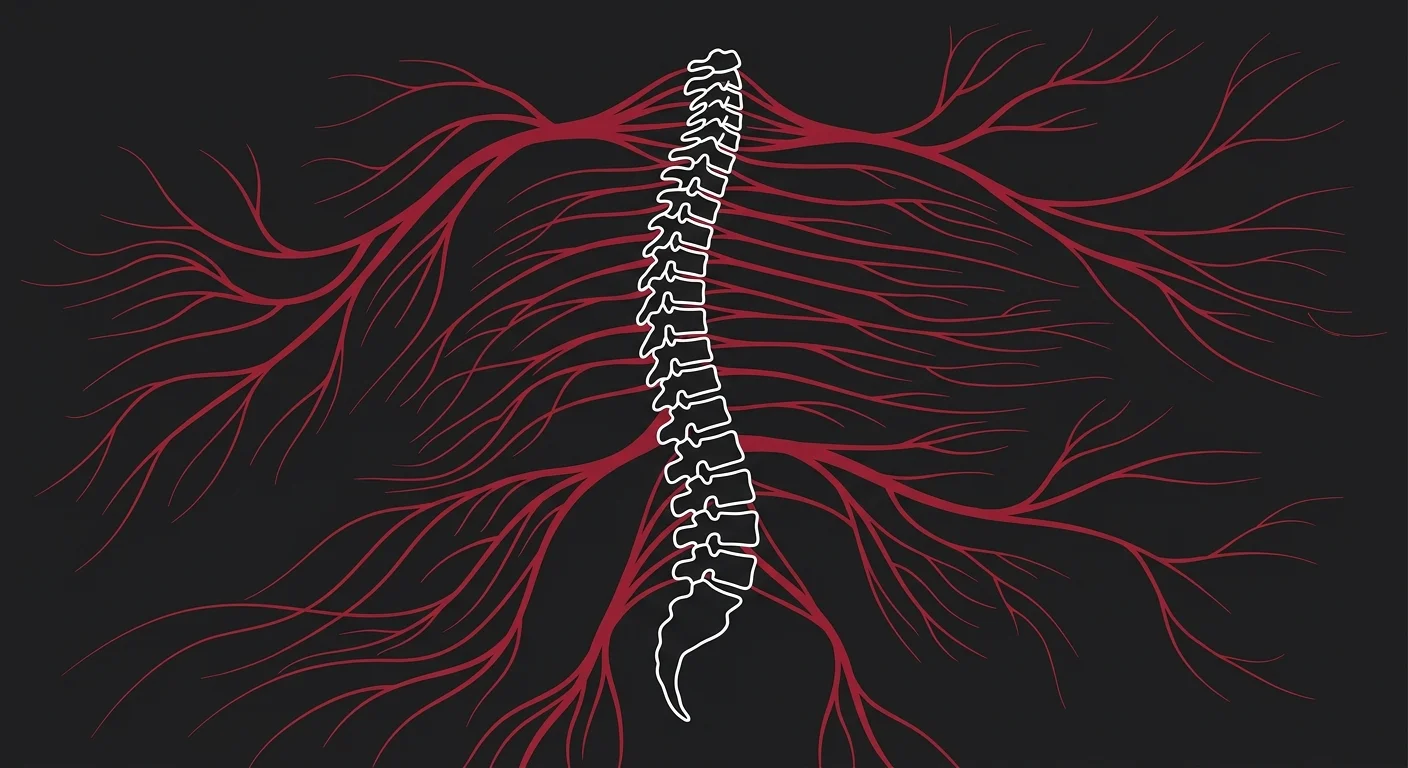
Most people walk in thinking chronic pain is a muscle problem.
That's the assumption standard physical therapy is built on: find the weak spot, load it, send the patient home. But chronic pain that keeps coming back isn't a muscle that hasn't been worked hard enough. It's a nervous system that hasn't been touched.
The CDC guidelines don't leave room for debate here. Spinal adjustment and active functional rehabilitation are the preferred first-line treatments for subacute and chronic pain. Not isolated strengthening. Not pharmaceuticals.
The nervous system controls how the body moves, loads, and signals pain. That's the clinical target. Everything else is downstream of it.
Think of chronic pain as a tripped circuit breaker.
Standard physical therapy replaces the fuse. It cuts local symptoms — sometimes for a week, sometimes a month. Functional recovery traces the fault back to the overloaded wire. That's the difference between temporary relief and an actual change in trajectory. One approach asks where it hurts. The other asks why.
Why the Nervous System Is the System
20.9% of U.S. adults live with chronic pain. Globally, chronic low back pain alone affects an estimated 619 million people. According to NIH research, it's the leading cause of disability worldwide.
Those numbers don't reflect a shortage of physical therapy clinics. There's no access gap driving those figures. What they reflect is a treatment model that keeps addressing the wrong target — and producing the same insufficient results.
Standard protocols isolate a muscle group, measure its output, and prescribe exercises for that region. The logic sounds clean. But it skips the question that matters most: why did that muscle stop working correctly in the first place?
The answer is almost never the muscle. It's the neurological communication breakdown upstream. Treating the muscle without restoring the signal is treating the symptom of the symptom. That's why the pain comes back.
That's the foundation behind root-cause chiropractic care — nervous system restoration as the primary clinical target, not a supplement to muscle work.
For patients trying to understand what that looks like in practice, the functional rebirth care model maps how Touch of Wellness Chiropractic moves from symptom management to lasting neurological recovery. Not in theory. In the room, with an actual care plan built around what you report.
| Pain Signal Source | What Standard PT Targets | What Functional Recovery Targets | Clinical Implication |
|---|---|---|---|
| Nerve compression from spinal misalignment | Muscles surrounding the symptomatic area | Structural interference in the spinal nervous system | Removing the compression restores the signal — strengthening the muscles around it doesn't |
| Disrupted neuromuscular communication pathways | Localized mechanical output of isolated muscle groups | Whole-body neurological communication and movement coordination | Restoring the signal chain allows muscles to function correctly without targeted isolation |
| Recurring inflammation from unresolved neurological load | Reduction of local inflammation through rest and exercise | Root-cause neurological dysfunction driving the inflammatory cycle | Inflammation returns until the underlying signal disruption is corrected |
| Altered movement patterns from chronic compensation | Strengthening the compensating muscle group | Rebuilding functional movement from correct neurological baseline | Strengthening a compensatory pattern reinforces dysfunction — not recovery |
| Central sensitization — nervous system stuck in pain state | Symptom reduction at the local pain site | Downregulation of the sensitized nervous system response | Pain that lives in the nervous system doesn't resolve by treating the location where it's felt |
What Standard Physical Therapy Actually Does — and Where It Stops
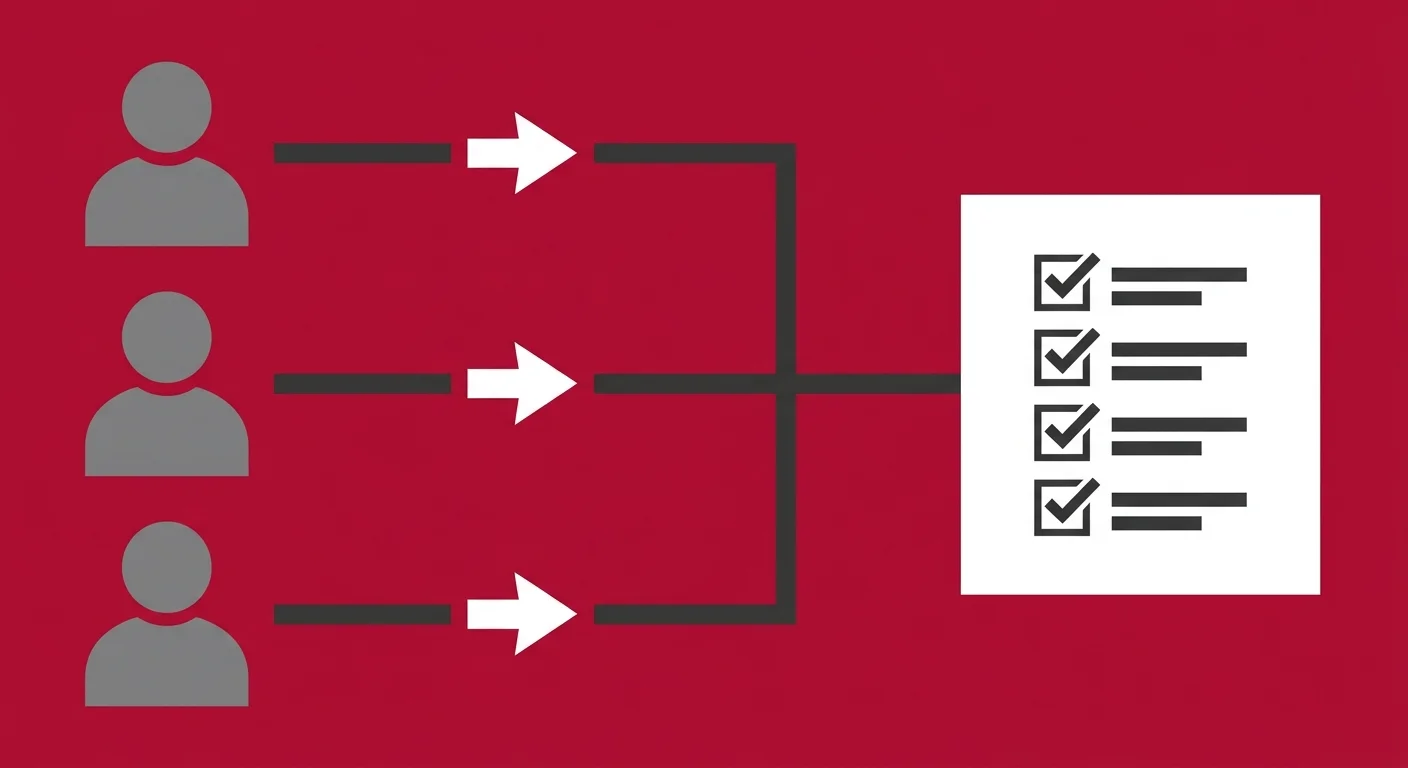
Standard physical therapy isn't wrong about pain. It's wrong about where pain comes from.
The whole model rests on one premise: find the weak or injured structure, load it with targeted exercise, and reduce symptoms at the site. For an acute injury — a sprained ankle, a post-surgical knee — that logic holds. For chronic, recurring pain, it addresses where the signal hurts. It never touches the system producing it.
That's the ceiling. Patients with chronic pain hit it fast. The exercises help for a week. The pain comes back. The exercises get modified. The pain comes back again. NIH research confirms what those patients already know: integrating spinal adjustments with targeted active exercise produces superior long-term functional recovery outcomes compared to standard physical therapy modalities alone. The protocol that skips the first half of that equation keeps producing the same result.
The Cookie-Cutter Protocol Problem
Here's what it looks like in practice: you walk in with your specific history, your specific symptom pattern, your specific neurological presentation. The provider runs the same sequence they ran on the last patient.
Standard PT isolates a muscle group, measures its output, and prescribes exercises for that region. The assessment picks the exercises. But if those exercises don't work, the exercise selection doesn't change. That's the protocol. And the protocol doesn't ask the nervous system what's actually happening.
The problem isn't effort. Most patients in standard PT work hard. The problem is that covering over the dysfunction — quieting pain at the symptom site without addressing what's generating it — leaves the nervous system in the same disrupted state. The signal quiets temporarily. The underlying communication failure stays intact. When the exercises stop, the pain returns. Nothing changed in the system producing it.
Standard PT replaces the fuse. It gets the lights back on for a while. It doesn't find the overloaded wire. For a patient dealing with chronic, recurring back pain, that distinction is everything — and patients already exploring relieving back pain and sciatica through a different clinical lens already sense the standard model isn't touching the full picture.
When Assessment Drives Nothing
Assessment is supposed to separate good care from generic care. In theory, every patient gets evaluated before treatment begins. In practice, standard PT assessments slot patients into existing protocol categories. They're not built to discover what's actually driving the dysfunction.
When assessment drives nothing, the care plan doesn't change when the patient doesn't improve. That's not a protocol. That's a template with a clipboard attached. NIH findings show that multi-disciplinary functional restoration programs produce up to a 60% increase in return-to-work outcomes compared to passive care. That gap exists because those programs adapt. The assessment is a living input — not a one-time intake form feeding a fixed sequence.
If a care plan isn't producing results and the provider keeps running it anyway, that isn't persistence. That's a protocol more committed to itself than to the patient in front of it. The assessment should drive every decision. When it stops doing that, the care stops being care.
| Protocol Feature | Standard Physical Therapy | Functional Recovery Approach | Patient Impact |
|---|---|---|---|
| Clinical Target | Localized muscle group at the site of pain | Neurological communication pathways governing full-body movement and load | Standard PT addresses where it hurts; functional recovery addresses why it keeps hurting |
| Assessment Model | One-time intake that slots patients into existing protocol categories | Living clinical input that adapts based on ongoing patient response and nervous system feedback | Standard PT assessment informs the starting protocol; functional recovery assessment drives every subsequent decision |
| Treatment Protocol | Fixed exercise sequence targeting the symptomatic region — modified only if symptoms worsen significantly | Individualized care plan rebuilt when results stall — stopping a protocol that isn't working is the standard, not the exception | Standard PT keeps running the same sequence; functional recovery changes course when the evidence demands it |
| Nervous System Role | Not directly addressed — treated as downstream of muscle dysfunction | Primary clinical target — spinal adjustment addresses structural interference in nervous system signaling first | Skipping nervous system restoration leaves the source of chronic pain intact regardless of exercise compliance |
| Outcome Horizon | Short-term symptom reduction at the pain site | Long-term restoration of functional movement, load tolerance, and neurological stability | Patients who plateau with standard PT have often hit the ceiling of a model that never addressed the signal source |
| Care Adaptation Trigger | Protocol changes when symptom severity changes | Protocol changes when patient response — positive or absent — signals a need to reassess and pivot | A care plan more committed to its own structure than to the patient in front of it stops being care |
How Functional Recovery Works Differently
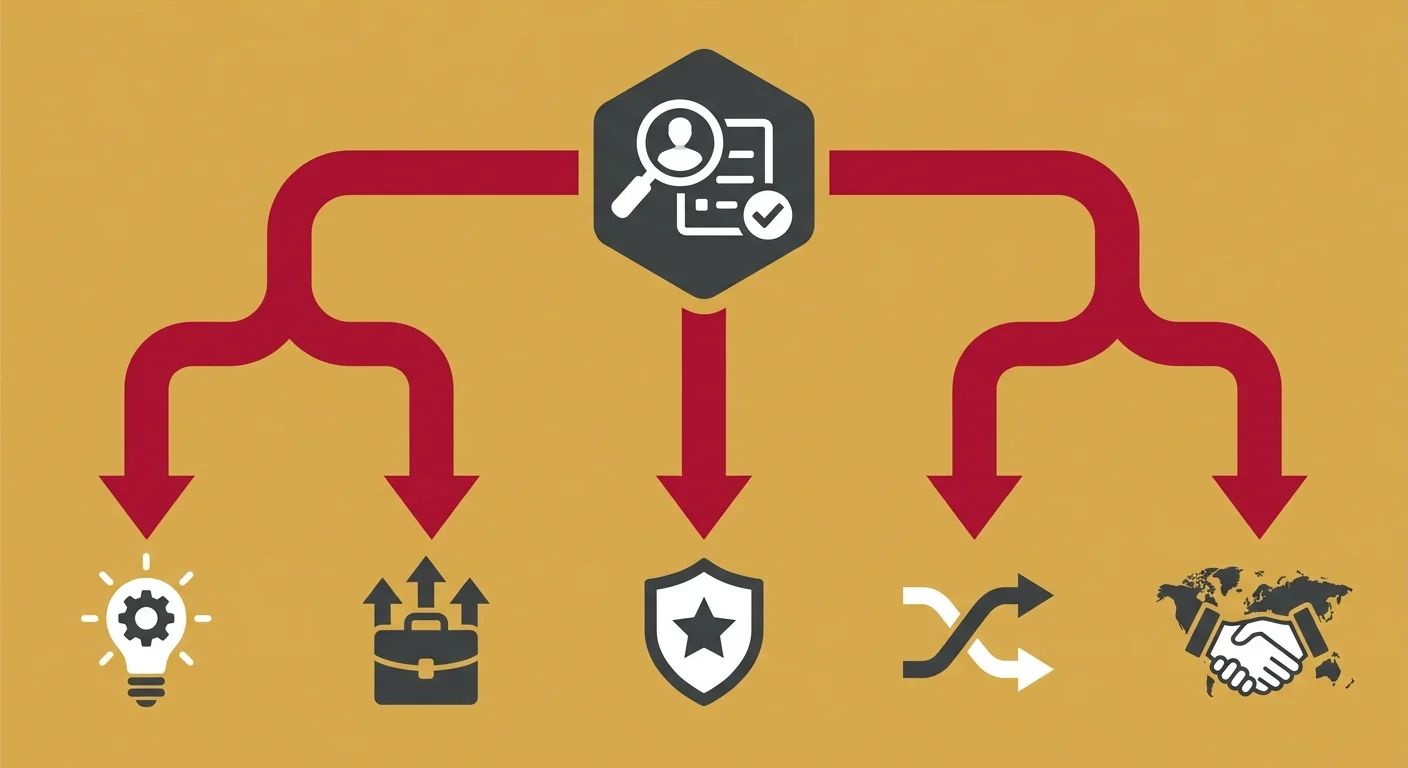
Functional recovery doesn't start where the pain is. It starts where the pain comes from.
That's the real difference. Standard physical therapy builds its logic around the location of pain. Functional recovery builds its logic around the communication chain producing it.
The nervous system governs how the body moves, loads, signals distress, and heals. When that system is disrupted, treating the site where the disruption shows up doesn't restore the system. It quiets the signal — temporarily. And temporarily is the ceiling of that model.
Standard PT replaces the fuse. Functional recovery finds the overloaded wire.
For patients deciding between living with managed symptoms versus pursuing full recovery, that distinction isn't philosophical. One model maintains a tolerable baseline. The other changes the baseline entirely. Those are not the same destination.
The Biology-First Sequence
The biology-first sequence starts with one question: where is the neurological communication chain breaking down?
Not which muscle is weak. Not which movement is restricted. The nervous system question comes first — because the answer determines whether any subsequent intervention is treating the problem or working around it.
Spinal adjustment addresses structural interference in that chain. When a vertebral segment is disrupting nerve signaling, localized strengthening doesn't resolve it. It works around it.
Adjustments restore the structural conditions the nervous system needs to transmit accurately. Active rehabilitation then rebuilds functional movement patterns from a corrected neurological baseline — not a compensated one. That sequencing isn't incidental. It's the whole mechanism.
The evidence isn't subtle. Integrating spinal adjustments with targeted active exercise therapy produces superior long-term functional recovery outcomes compared to standard physical therapy alone.
That's not a marginal edge. That's what happens when you sequence correctly — nervous system first, mechanical loading second. The CDC's guidelines land in the same place: nonpharmacological therapies, including spinal adjustment and active functional rehabilitation, are the preferred first-line treatments for chronic pain. Not isolated strengthening. Not pharmaceuticals. The system first.
Adapting When the Plan Isn't Working
Here's what template-driven care never solves: what do you do when it isn't working?
In a template-driven model, the answer is to run the template longer. In a functional recovery model, the answer is to stop and reassess.
If a spinal segment isn't responding as expected, the clinical input changes. If a rehabilitation pattern is reinforcing compensatory movement instead of correcting it, the pattern changes. The assessment isn't a one-time intake. It's a continuous feedback loop — and why masking the pain prevents long-term recovery is exactly what happens when that loop gets replaced by a clipboard.
Multi-disciplinary functional restoration programs produce up to a 60% increase in return-to-work outcomes compared to passive care. That gap exists because adaptive programs treat patient response as data. When the data changes, the protocol changes.
That's not a deviation from the care plan. It is the care plan. A provider who keeps running the same sequence after it stops producing results isn't being thorough. They're choosing the protocol over the patient in front of them.
| Recovery Phase | Clinical Focus | Key Modalities | Functional Milestone |
|---|---|---|---|
| Neurological Assessment | Identifying where the nervous system communication chain is breaking down — not just where pain is presenting | Structural evaluation, spinal segment analysis, neurological feedback mapping | Clear clinical picture of the root interference pattern driving the dysfunction |
| Structural Correction | Restoring the spinal conditions the nervous system needs to transmit accurately | Chiropractic adjustment targeting verified interference points | Reduction in structural nerve disruption; improved signaling baseline |
| Active Rehabilitation | Rebuilding functional movement patterns from a corrected neurological baseline — not a compensated one | Targeted active exercise therapy, Cold Laser Therapy, Shockwave Therapy | Restored movement mechanics without compensatory loading patterns |
| Adaptive Reassessment | Treating patient response as live clinical data — changing the plan when the plan stops producing results | Continuous feedback integration, care plan modification based on outcome | Confirmed progress at each phase; no protocol running past its clinical usefulness |
| Functional Milestone Confirmation | Verifying that systemic function — not just temporary symptom suppression — has been restored | Outcome-based discharge criteria, functional movement benchmarks | Patient operates without dependency on ongoing symptom management |
Comparing the Two Approaches: A Clinical Side-by-Side
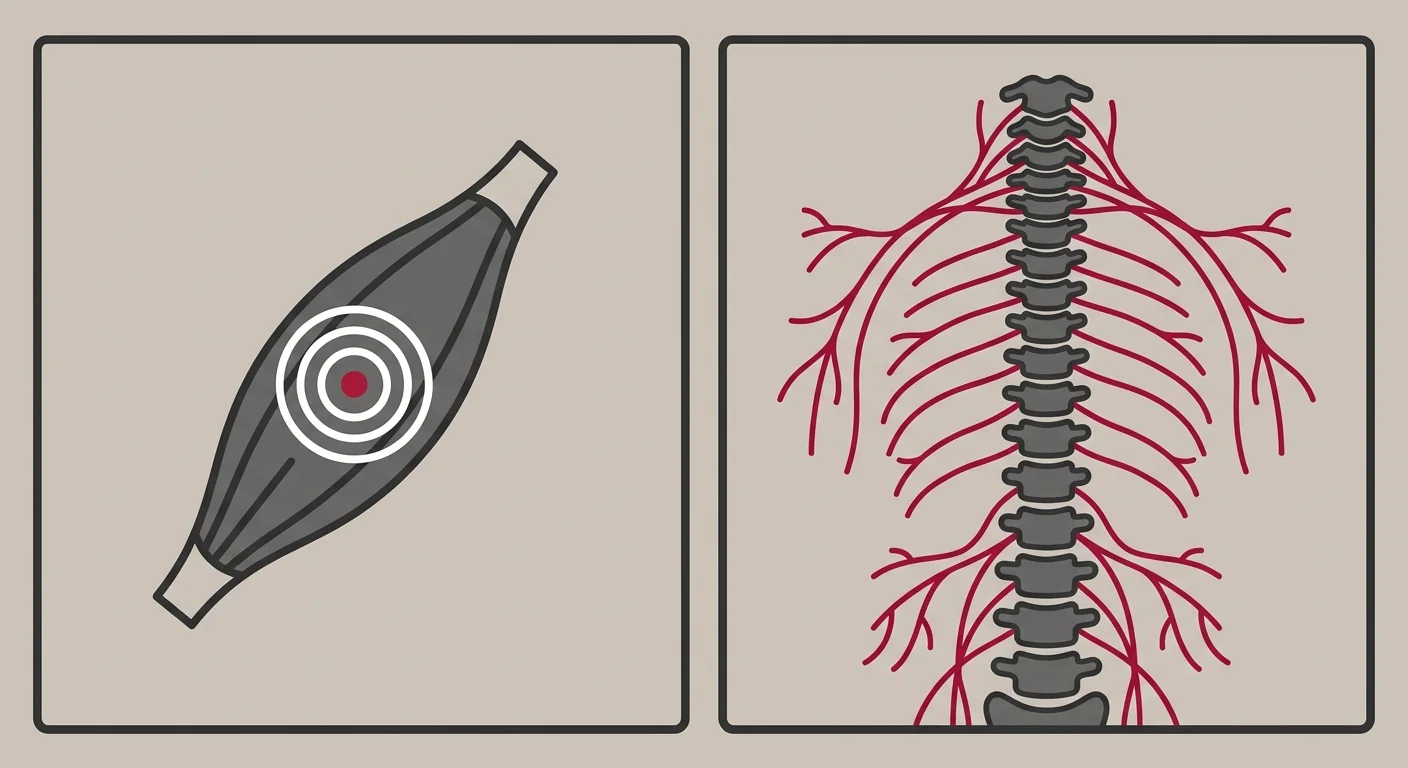
Both models claim to treat chronic pain. Only one of them asks where it's actually coming from.
Standard physical therapy finds the pain, identifies the structure nearby, and loads it with exercise. Functional recovery finds the disrupted neurological communication chain and restores the structural conditions the nervous system needs to transmit accurately.
Those aren't two versions of the same treatment. They're two completely different clinical questions.
Chronic low back pain is the leading cause of disability worldwide, affecting an estimated 619 million people as of 2020 — and NIH projections put that number at 843 million by 2050.
That trajectory isn't happening because people stopped exercising. It's happening because the dominant treatment model keeps addressing the location of the problem instead of the system driving it.
What Each Approach Addresses
Standard physical therapy addresses the site of pain. Functional recovery addresses its source.
In a standard PT model, the clinical target is a muscle group, a joint, or a region. The assessment identifies where the pain is and how weak the surrounding structure is. The care plan follows from that measurement.
For acute injuries, that logic holds. For chronic pain — where the muscle dysfunction is a downstream symptom of a disrupted neurological signal — treating the structure without restoring the signal keeps the patient in the same loop. It's what patients who've hit a plateau in their recovery timeline describe: progress that levels off, not because they stopped trying, but because the underlying disruption was never addressed.
And for those deciding between functional rebirth versus chronic management, that distinction isn't abstract — it's the difference between a care model that maintains a tolerable baseline and one that actually changes it.
Functional recovery targets the nervous system first. Spinal adjustment removes structural interference in the neurological communication chain. Active rehabilitation then rebuilds functional movement from a corrected baseline — not a compensated one.
Trials comparing these approaches confirm it: integrating spinal adjustments with targeted active exercise produces superior long-term functional recovery outcomes compared to standard physical therapy alone. Multi-disciplinary functional restoration programs show up to a 60% increase in return-to-work outcomes compared to passive care.
That's the clinical side-by-side. One model quiets the signal at the site. The other restores the system generating it.
| Clinical Dimension | Standard Physical Therapy | Functional Recovery | Why It Matters for Chronic Pain |
|---|---|---|---|
| Clinical Target | Localized muscle group, joint, or region where pain is reported | Disrupted neurological communication chain generating the pain signal | Chronic pain is a system failure — treating the site without restoring the signal keeps the loop intact |
| Assessment Role | One-time intake that slots the patient into an existing protocol category | Continuous feedback loop that governs every decision throughout the care plan | When assessment stops driving decisions, the care plan stops responding to the patient |
| Primary Intervention | Targeted strengthening and mechanical loading of the affected structure | Spinal adjustment to remove structural interference, followed by active rehabilitation from a corrected neurological baseline | Sequencing matters — nervous system restoration first, mechanical loading second produces fundamentally different outcomes |
| Response to Non-Improvement | Run the existing protocol longer | Stop, reassess, and change the clinical input | A protocol more committed to itself than to patient response isn't care — it's a template |
| Recovery Model | Symptom suppression at the pain site — reduce reported discomfort enough to restore basic function | Root-cause resolution — restore the structural conditions the nervous system needs to transmit accurately | Suppressing the signal temporarily and restoring the system generating it are not two versions of the same outcome |
| Long-Term Trajectory | Pain returns when exercises stop because the underlying disruption was never addressed | Functional movement patterns rebuilt from a corrected baseline, not a compensated one | Patients who plateau in standard PT aren't failing to recover — they're in a model that was never designed to find the overloaded wire |
Who Is — and Isn't — a Fit for Functional Recovery
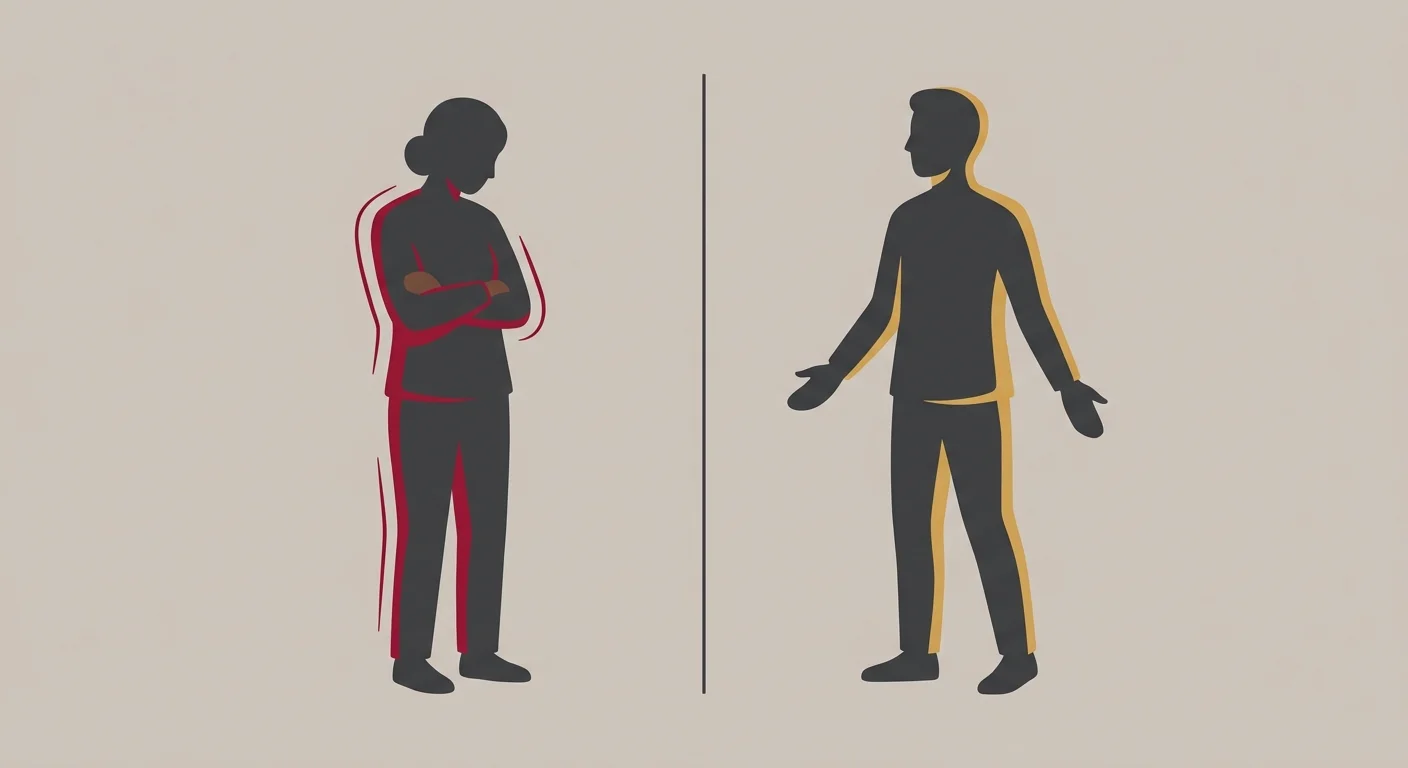
Functional recovery isn't for everyone.
That's not a disclaimer. It's a clinical reality. This model demands something from the patient, not just the provider.
The provider's half is clear: biology-first assessment, nervous system sequencing, a care plan that adapts when the clinical picture changes. That part doesn't vary.
The patient's half is behavioral. And when that half is missing, the clinical work doesn't land — not because the model failed, but because recovery isn't something one party does to another. It's something both parties do together.
The CDC lists nonpharmacological therapies and active functional rehabilitation as preferred first-line treatments for chronic pain. What that guidance doesn't spell out is how much the patient's own participation determines whether those treatments work.
Active rehabilitation isn't something done to you. It's something you do. That gap — passive recipient versus active participant — drives more outcomes than any single clinical decision in a care plan.
The Anti-Persona Patterns That Prevent Recovery
The Protocol Challenger shows up with a list. They need this practice to run whatever their last provider ran — same sequence, same order — before any assessment happens.
That's not how it works here. Assessment is always the starting point. Not the previous provider's habits. Not the patient's preferred sequence. If that's a dealbreaker before the first evaluation is finished, better to know it now. That's useful information for both parties.
The One-Adjustment Miracle Seeker expects full resolution in one visit. When day seven arrives without it, they leave.
What they're trying to recover from is a disrupted neurological communication chain — and that's not a single-session repair. Multi-disciplinary restoration programs show up to a 60% increase in return-to-work outcomes compared to passive care. Those outcomes belong to the patients who stayed. Early dropout doesn't slow the process. It resets it.
The Passive Patient wants the provider to do everything. Appointments get attended. Nothing happens between them.
That model doesn't exist here. Standard physical therapy's localized protocols fail partly because they train patients to be recipients — something gets done to them, and they wait. Functional recovery doesn't repeat that. But it can't succeed with a patient who won't be part of their own care plan.
The nervous system doesn't restore itself on a table.
What Readiness for Functional Recovery Actually Looks Like
Readiness looks like this: you've done the standard route. It helped for a stretch. The pain came back.
And now you want to know why — not just get the signal quieted again. That question is the entry point.
It also means being willing to follow a clinical lead built from your own assessment — not your previous provider's sequence, not what you read on a forum, not what helped someone else with a different body and a different history.
The care plan changes when the clinical picture changes. That requires honest reporting: what's working, what isn't, where things are shifting. The assessment isn't a one-time intake form. It's a continuous feedback loop — and it only works if the patient is an accurate source of input.
At Touch of Wellness Chiropractic, Dr. Karen Hannah's systems-biology clinical lens means the assessment always starts with the nervous system — not the symptom location, not a protocol category tied to a billing code.
The patients who get the most from this model are the ones who've stopped asking "what exercise fixes my back" and started asking "what's actually driving this." That's the question functional recovery is built to answer. The behaviors above — following a new clinical lead, reporting honestly, staying with the process — are what determine whether that answer changes anything.
| Patient Behavior Pattern | What It Signals | Why Functional Recovery Can't Accommodate It |
|---|---|---|
| The Protocol Challenger | Previous provider's sequence is the clinical authority — not the assessment findings | Functional recovery starts with what your body is actually doing, not what a prior provider decided to do. A locked-in protocol before evaluation is finished isn't a care plan — it's a veto of the clinical process. |
| The One-Adjustment Miracle Seeker | Expects complete resolution in a single visit; leaves when it doesn't arrive | Correcting a disrupted neurological communication chain isn't a single-session repair. Early dropout doesn't just slow progress — it resets it. The model requires staying in long enough for the nervous system to respond. |
| The Passive Patient | Expects the provider to drive 100% of recovery while they do nothing between appointments | Active functional rehabilitation is something a patient participates in, not something done to them. Without engagement between sessions, the corrected neurological baseline has nothing to build on. |
| The Plan Picker | Selectively follows pieces of the care plan while skipping others; partial financial or clinical commitment | The care plan is a sequenced system — nervous system correction first, mechanical loading second. Picking the parts that feel convenient breaks the sequence and produces partial results at best. |
| The Skeptic Who Won't Suspend Judgment | Carries inherited bias against chiropractic care from a primary care physician; won't give clinical recommendations a fair trial regardless of findings | Assessment-driven care requires the patient to report honestly what's working and what isn't. A patient whose mind is already closed before the first evaluation isn't a reliable source of clinical input — and that gap costs both sides. |
Frequently Asked Questions About Functional Recovery vs. Standard Physical Therapy
Here's where it gets personal. These are the questions that come up when the framework stops being theoretical.
Every question below is really asking the same thing: is this different enough from what I've already tried? That's the right question. It deserves a straight answer.
What is the main difference between functional recovery and standard physical therapy?
Standard physical therapy asks: what's weak near where it hurts? Functional recovery asks: what's disrupting the signal generating the pain?
Those aren't two versions of the same question. Standard PT identifies a structural weakness near the pain site and loads it with exercise. Functional recovery identifies the disrupted neurological communication chain and restores the conditions the nervous system needs to function.
It's not a difference in technique. It's a difference in clinical target — and that difference determines whether the pain comes back.
Why does focusing only on the site of pain prevent true recovery?
Chronic pain is a downstream effect. The muscle dysfunction, the joint restriction, the region that hurts — those are outputs of a disrupted neurological signal. They're not the source of it.
Treating the output without restoring the signal keeps the patient in the same loop. The pain quiets for a stretch. The underlying disruption reasserts itself. The cycle resets.
That's not bad luck. That's what happens when the clinical target is the location instead of the system driving it. Standard physical therapy keeps replacing the fuse. Functional recovery finds the overloaded wire.
How does Touch of Wellness Chiropractic coordinate chiropractic adjustments with functional recovery?
At Touch of Wellness Chiropractic, the sequence is always nervous system first.
Dr. Karen Hannah's clinical background is grounded in whole-body systems biology — not localized mechanical correction. That means the chiropractic adjustment removes structural interference from the neurological communication chain before any active rehabilitation begins. Rehab then rebuilds functional movement from a corrected neurological baseline. Not a compensated one.
That order of operations isn't a stylistic choice. Comparative trials confirm that integrating spinal adjustments with targeted active exercise produces superior long-term functional recovery outcomes compared to standard physical therapy modalities alone. The interventions matter. So does the sequence they run in.
Will I have to follow a prolonged, cookie-cutter treatment protocol?
No. The care plan is built from your clinical picture — not a billing calendar, not a predetermined sequence.
If something isn't producing results after a few visits, it changes. Not repeats — changes. The assessment is a continuous feedback loop. When the clinical data shifts, the protocol shifts with it.
A provider who keeps running the same sequence after it stops working isn't being thorough. They're choosing the protocol over the patient in front of them. That's the model this practice rejects — and has always rejected.
What if standard physical therapy hasn't worked for my chronic pain?
That's the most common entry point for patients who end up here. Standard PT helped for a stretch. The pain came back. They're right where they started.
That pattern isn't a coincidence. It's what happens when the treatment model addresses the location of the dysfunction instead of the system driving it.
The CDC identifies nonpharmacological therapies and active functional rehabilitation as preferred first-line treatments for chronic pain. If you've been through a first-line model and you're still in the same loop, the question worth asking isn't whether to try harder. It's whether the right clinical question has been asked yet.
How long does functional recovery take compared to standard physical therapy?
Any provider who gives you a timeline before your assessment is finished is telling you something important about how they operate.
What the research does show: multi-disciplinary functional restoration programs produce up to a 60% increase in return-to-work outcomes compared to passive care. Those outcomes belong to patients who stay with the program. Early dropout doesn't slow progress. It resets it.
The variable that determines pace isn't the model. It's whether you're an accurate, consistent source of clinical feedback — because that's what the care plan adapts to. A predetermined number doesn't account for that. Any honest provider will tell you so.
The Nervous System Gets the Last Word
The circuit breaker didn't trip because a muscle got weak. It tripped because the system carrying the signal got overloaded. And nothing in the standard physical therapy model is designed to find that wire.
That's not a knock on the providers running those protocols. It's a description of what those protocols were built to do. They locate the pain. They load the tissue. They quiet the signal — temporarily.
Functional recovery doesn't start at the location. It starts at the source.
Standard physical therapy treats chronic pain as a structural problem you strengthen your way out of. Functional recovery treats it as a neurological communication failure you restore your way out of.
Those aren't two approaches to the same answer. They're two different answers to two different questions.
The wrong question is "what's weak near where it hurts." The right question is "what's disrupting the signal generating it." One question produces temporary relief. The other changes the system producing the problem.
The nervous system runs this entire equation. When structural interference is removed and the neurological baseline is restored, the body's capacity for genuine functional recovery isn't a theory. It's what the biology was always capable of.
If you've been through the standard model and you're still in the same loop — that's not a sign the problem can't be solved. It's a sign the right question hasn't been asked yet.
Standard physical therapy keeps replacing the fuse. Functional recovery finds the overloaded wire. The question worth asking now is whether you're ready to stop managing the signal and start addressing the system producing it.
You've been managing it long enough. The pain comes back, the protocol repeats, and nobody asks why. If you want to know what it looks like when the care plan actually changes based on what your body is telling you — find out what that assessment looks like.
Copyright Touch of Wellness Chiropractic 2026
1101 W Jackson St, Suite A Morton, IL 61550
Web Design by iTech Valet